
Someone made a deepfake of me: how do I get it removed?
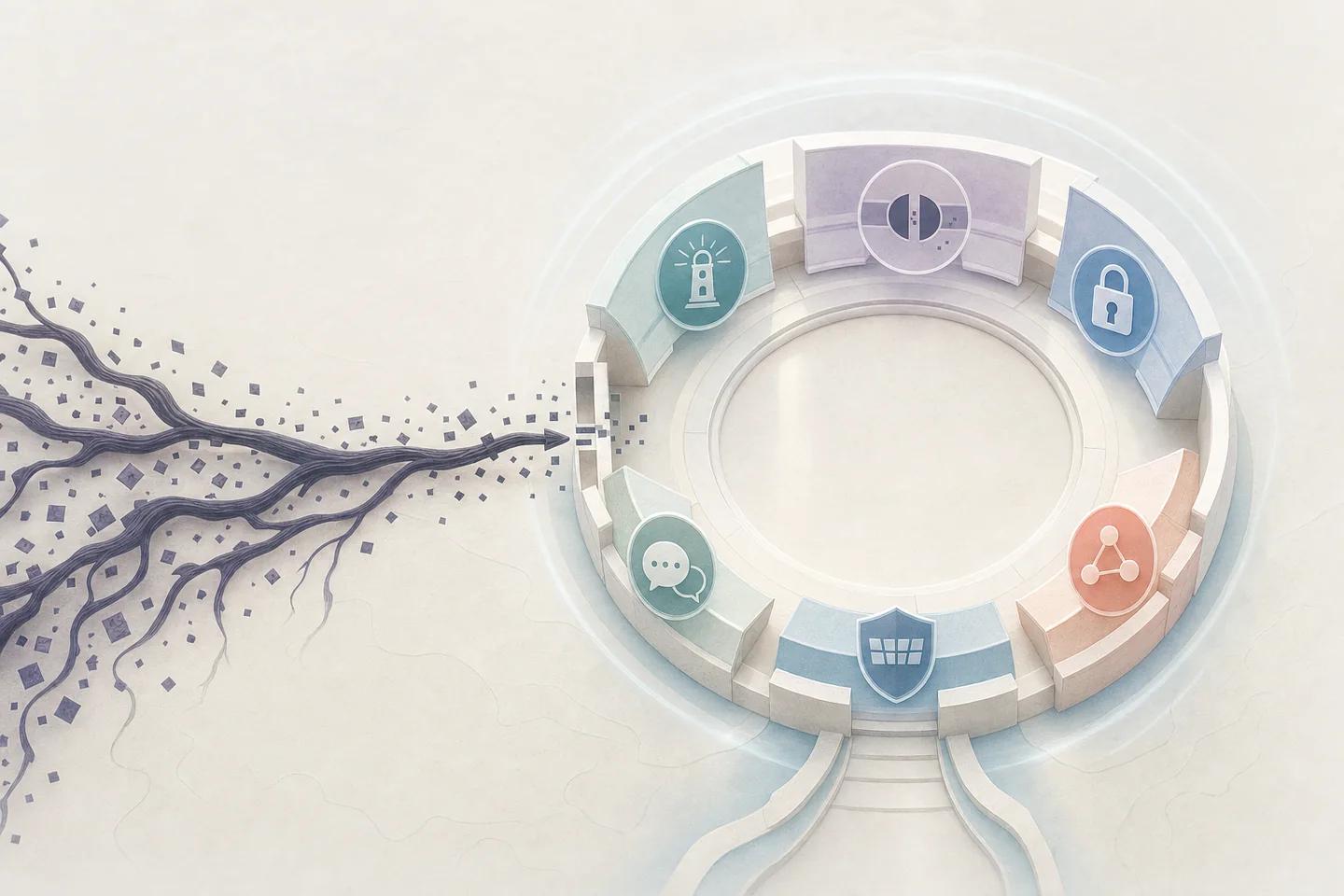
If someone made a sexual deepfake of you, you can get it removed by reporting it directly to every site hosting it, blocking re-uploads through a hashing service, removing it from search results and, where you choose, reporting it to police. You do not need to prove it is fake, and you do not need to have shared any real image. What happened is not your fault.
Work in this order when you can. First record where it is: the URL, the account name and the date you found it. Then report to the platform using its non-consensual intimate imagery or impersonation option, which is usually faster than a general abuse report. Then create a hash with StopNCII.org so participating platforms can detect and remove copies. Finally, request removal from search engines so the content is harder to find.
If the person who made it is threatening to share more unless you pay or send something, treat it as extortion: stop responding, do not pay, keep the messages and report it. The extortion guide on this site covers that situation in more detail.
- Record URLs, account names, dates and any messages from the person responsible.
- Report to each platform under its intimate image or non-consensual content policy.
- Create a hash with StopNCII.org, or Take It Down if you were under 18 in the image.
- Request removal from Google and other search engines.
- Contact a helpline or police if you want support or legal action.

How to report synthetic intimate imagery to platforms and search engines
Major social networks, video sites and adult platforms have specific reporting routes for non-consensual intimate imagery, and most now state that AI-generated or edited images are covered. Use that option rather than harassment or copyright, quote the exact URL, and say that the image is a sexual deepfake made without your consent. Keep the confirmation email or case number.
In the United States, the TAKE IT DOWN Act (Public Law 119-12) required covered platforms to set up a notice-and-removal process within one year of enactment, by 19 May 2026. Once a valid request arrives, the platform must remove the depiction as soon as possible and no later than 48 hours, and make reasonable efforts to find and remove known identical copies.
Search engines are a separate step. Google's help page on removing sexual content from Search says you can ask for sexual images and videos involving you to be removed whether the content is fake or real, and has a specific option for fabricated content that shows you in a sexual act or intimate state. Removal from search does not delete the content from the website, so report to the host as well.
How StopNCII and Take It Down block copies without sharing the image
Hashing services let you stop re-uploads without sending the image to anyone. On StopNCII.org you select the image or video on your own device, the site generates a hash, which is a digital fingerprint, and only the hash is sent. Participating platforms then look for matches and remove matching content that breaks their intimate image policies. You get a case number to track the case; keep it safe, because it cannot be recovered.
NCMEC's Take It Down works the same way for nude, partially nude or sexually explicit images or videos taken of someone when they were under 18. You can stay anonymous. Adults are directed to StopNCII.org.
Hashing has limits. It only works on platforms that participate, it matches the exact file or close copies, and an edited or re-generated version may need a new hash. Keep reporting directly as well.
| Service | Who it is for | What it does |
|---|---|---|
| Platform reporting form | Anyone depicted | Requests removal from that site; under the TAKE IT DOWN Act, covered US platforms must act within 48 hours |
| StopNCII.org | Adults depicted in intimate images | Hashes the image on your device so participating platforms can find and remove matches |
| NCMEC Take It Down | Images of people under 18 | Hashes images anonymously so participating platforms can detect and remove them |
| Google removal request | Anyone depicted | Removes results from Google Search, including fake sexual content; does not delete the source page |
| Police and helplines | Anyone depicted | Criminal investigation where the law covers it, plus emotional and practical support |

How to report deepfake image-based abuse to police and helplines
Creating or sharing sexual deepfakes without consent is now a crime in many places. In the US, the TAKE IT DOWN Act makes it a federal offence to knowingly publish non-consensual intimate images, including AI-generated digital forgeries, and many states have their own laws. In England and Wales, sharing intimate images without consent, including deepfakes, is an offence. Other countries are adding similar rules, so check the law where you live.
When you report to police, bring the list of URLs, usernames, dates, screenshots of the page around the image and any messages from the person responsible. You do not need to bring copies of the image itself unless asked. If the image shows someone under 18, report to NCMEC's CyberTipline in the US or the national child protection hotline elsewhere; do not download or forward it.
Helplines can do much of the work with you. In the UK, the Revenge Porn Helpline supports adults and runs StopNCII.org. In the US, the Cyber Civil Rights Initiative runs a crisis helpline. A trusted friend can also help by doing the searching and reporting so that you do not have to look at the content again.

What we owe to victims of non-consensual deepfakes
Victims of non-consensual deepfakes are owed fast removal, belief and privacy. The harm does not depend on whether the image is real: people who see it may not know it is fake, and the person depicted lives with the loss of control either way. Responses that ask a victim to prove the image is synthetic, or that treat it as less serious because it was generated, add to the harm.
Platforms owe a reporting route that is easy to find, decisions within hours rather than weeks, and proactive blocking of known copies. Employers, schools and universities owe support, discretion and action against the person responsible. Investigators owe careful handling of evidence so the victim does not have to send the content repeatedly.

Where deepfake detection helps platforms and investigators
Detection is a tool for the organizations handling reports, not a test victims should have to pass. Trust and safety teams can use it to triage large volumes of reported content, link variants of the same synthetic image across accounts and support takedown notices to hosts. Investigators can use it to document how an image was produced when a case goes to court.
Neural Defend's NeuroDetect is designed for that investigative work. Authorized staff upload reported images or video into a case, review heatmaps and attention views down to image regions and frames, and export a forensic report with observations, uncertainty, provenance and model context. Access controls and deployment options, including private cloud and on-premises, help keep sensitive material contained. Neural Defend holds ISO/IEC 27001 and ISO/IEC 27701 certifications. On the public VendorBench-100 still-image benchmark, Neural Defend ranked first of 36 systems with an MCC of 0.876.

Evidence boundary
Limitations
- Hashing only works on participating platforms and may miss edited or re-generated versions.
- Laws vary by country and state; this page is not legal advice.
- Removal from search engines does not delete content from the hosting site.
Source record
Sources and references
- US CongressPublic Law 119-12, TAKE IT DOWN ActVerified October 19, 2026.
- StopNCII.orgHow StopNCII.org WorksVerified October 19, 2026.
- National Center for Missing & Exploited ChildrenTake It DownVerified October 19, 2026.
- GoogleRemove sexual content from Google SearchVerified October 19, 2026.
- arXivVendorBench-100: A Unified Cross-Paradigm Benchmark for Deepfake Image DetectionVerified October 19, 2026.