
01Start eKYC
9:41●
Secure onboarding
Complete your eKYC
Verify your identity to continue onboarding.
Consent requiredCustomer enters details, gives consent, and starts verification.
KYC NeuroVerify
Deepfakes now pass selfie and liveness checks. NeuroVerify inspects the face your KYC journey already captures and returns one risk score in under 200 ms. Your customer never sees a new step.
NeuroVerify does not verify documents or approve customers. It tells your policy whether the face is real.
Two KYC journeys
Both journeys run the same identity checks. Only one asks whether the face is real.
Document, selfie, face match, approve. Every check passes, and a deepfake walks through the front door.
Verify your identity to continue onboarding.
Consent requiredCustomer enters details, gives consent, and starts verification.
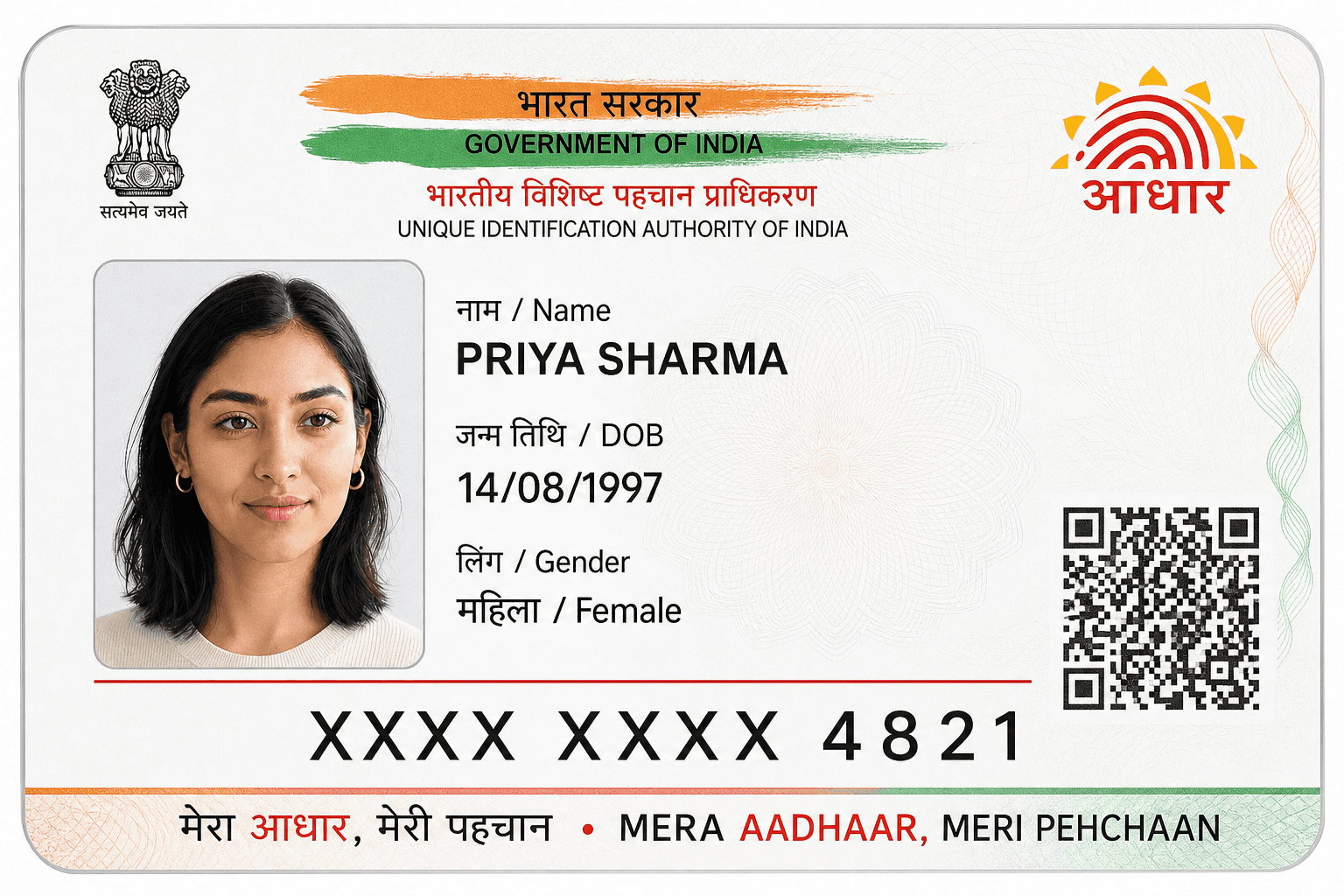 ID card
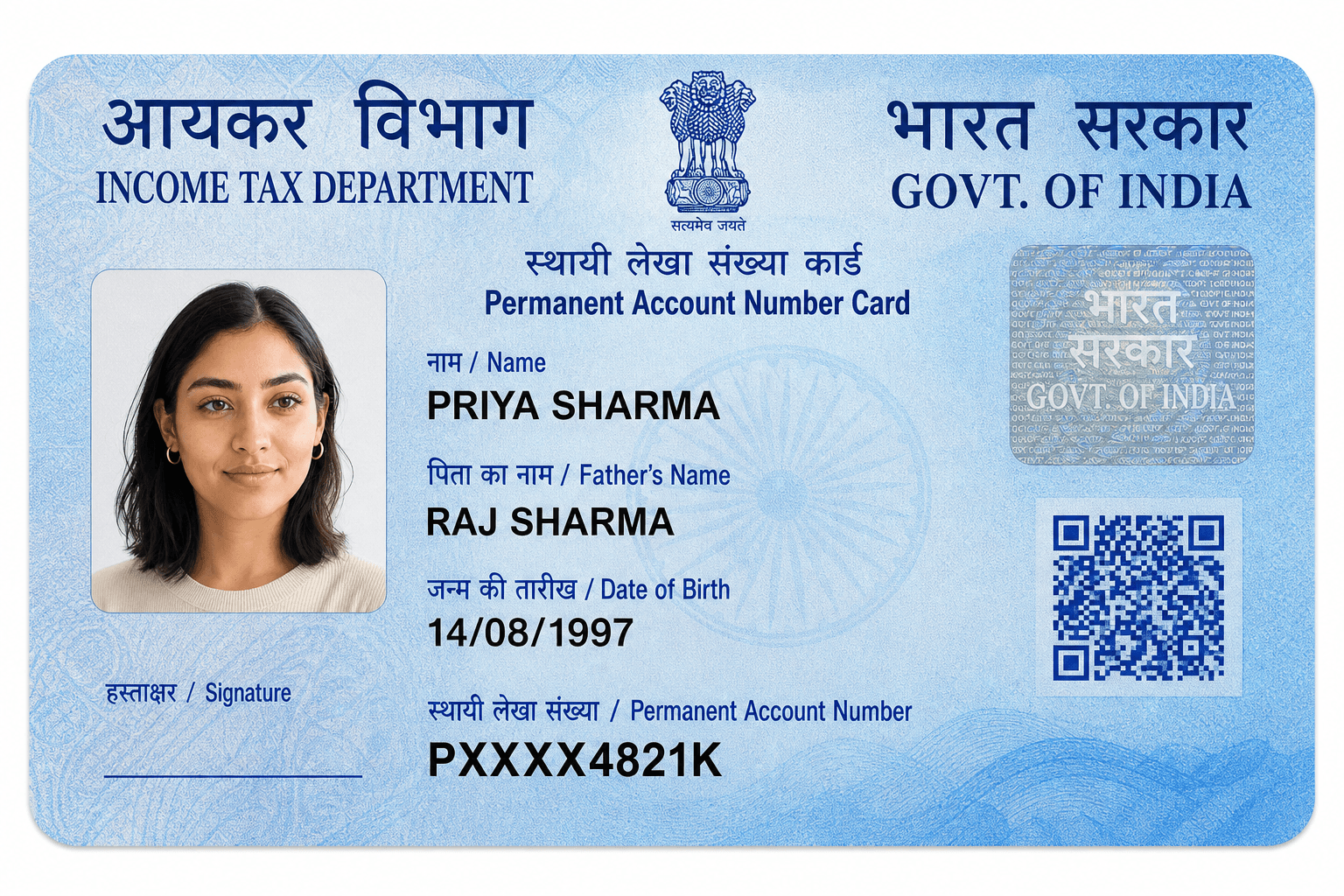 Tax ID
Customer captures their identity document in the guided frame.
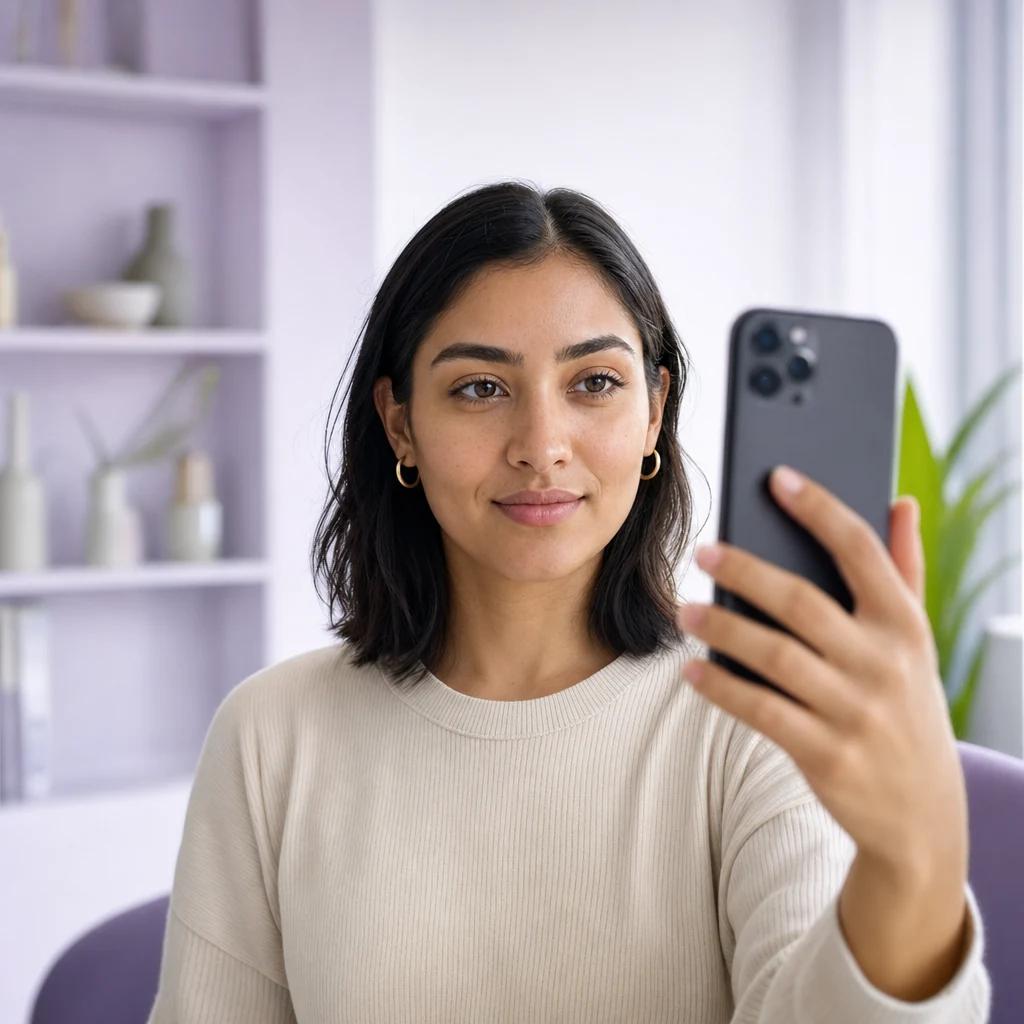
Deepfake input enters the regular eKYC flow.
A synthetic face passes the camera prompt like a real one.
 SelfieID photo
The existing provider compares the selfie with identity media.
AI-generated image / deepfake attack passed.
Every check passes. Nobody asked if the face was real.
The same journey, one API call added. NeuroVerify checks the selfie before your policy decides.
Verify your identity to continue onboarding.
Consent requiredCustomer enters details, gives consent, and starts verification.
ID cardTax IDYour existing provider still verifies the document.
Keep your face inside the oval.
Authorized face media is captured inside the existing journey.
Six checks run in parallel on the same selfie. Under 200 ms.
SelfieID photoThe existing provider keeps ownership of identity comparison.
AI-generated image / deepfake attack captured by the Trust Layer.
The deepfake is stopped before your policy approves it.
Your KYC provider still verifies identity. NeuroVerify tells you if the face is real. Your policy makes the final call.
What liveness misses
Your checks can work exactly as designed and still approve a fake. These are the three attacks that get through.
A real person on camera, wearing someone else’s face in real time. They blink, turn and smile on cue, so liveness passes.
An AI-generated selfie, paired with stolen or synthetic data. It matches the photo it was built to match.
A virtual camera feeds pre-made video straight into the app. The capture screen never sees a real lens.
NeuroVerify
Send the selfie, video or voice sample. NeuroVerify runs six checks in parallel and returns one score with the evidence behind it.
High-risk authenticity evidence is ready for customer policy.
Why NeuroVerify
Accuracy that is independently measured, speed your customer never notices, and one answer your policy can use.
Top of VendorBench-100 with an MCC of 0.876. The next-best vendor scored 0.646.
p95 on eligible image requests under defined test conditions. Your customer never waits.
Every signal runs on the same request. Your policy reads one score, with the evidence behind it.
NeuroVerify reads the selfie or video you already capture. The journey looks exactly the same.
Easy integration
A scoped key for your app, backend or KYC orchestration layer.
Drop in the mobile SDK, or call it from your backend. Two lines of code.
The onboarding selfie, liveness video or voice sample.
Approve, review or block inside the KYC policy you already run.
SDK-first integration
Native SDKs for Android, iOS and Flutter, plus Python, TypeScript, Go and Java for your backend. Add NeuroVerify after the selfie step and go live in under 24 hours.
Sign in for API access$ npm install @neuraldefend/sdk
import { NeuroVerifyClient } from "@neuraldefend/sdk"
const result = await new NeuroVerifyClient().detectImage("selfie.jpg")Already have capture? Send the image to POST /detect/image and get every signal back in one JSON response.
Give approved AI assistants bounded image and video authenticity tools, with API keys kept outside prompts.
Two lines to integrate<200 ms p95Live in under 24 hours
Who it’s for
Banks, fintechs, insurers, exchanges and platforms in any country. If a face decides who gets in, NeuroVerify belongs in front of it.
Banks
Fintech and payments
Lending
Insurance
Crypto and trading
Marketplaces and gig
Deployment
Fastest path to production. Neural Defend runs the service.
A dedicated deployment in your network and chosen region.
A portable runtime inside your approved environment.
Runs inside your own data-centre infrastructure.
Fully isolated, with no external network path.
ISO/IEC 27001 · ISO/IEC 27701 · ISO/IEC 42001 · SOC 2 Type II. How we handle product data
Use cases
48 journeys, from bank account opening to video KYC. Each one shows where the deepfake gets in and where NeuroVerify stops it.
Knowledge centre
Questions
Liveness asks whether someone is in front of the camera. It does not ask whether the face is real. A face swap or injected video can pass a liveness prompt. NeuroVerify checks the same media for manipulation and AI generation, and returns a score your policy can act on.
No. Your provider keeps document checks, face match and the decision. NeuroVerify adds one call after the selfie step and returns authenticity evidence to your existing policy.
No. NeuroVerify analyses face images, video and audio. Document verification stays with your existing provider.
Eligible image requests return in under 200 ms at p95 under defined test conditions. The methodology is available during evaluation.
You choose: managed cloud, your own VPC, a secure container, on-premises or fully air-gapped. Neural Defend holds ISO/IEC 27001, 27701 and 42001 certifications and a SOC 2 Type II report.
Yes. Book an evaluation and run NeuroVerify against your own approved selfies and known attacks before you go live.
See it on your own media
Run NeuroVerify against your own approved captures and the attacks you worry about. See the score, the signals and the speed before you commit.