
Real-time vs uploaded media analysis architecture: what actually differs?
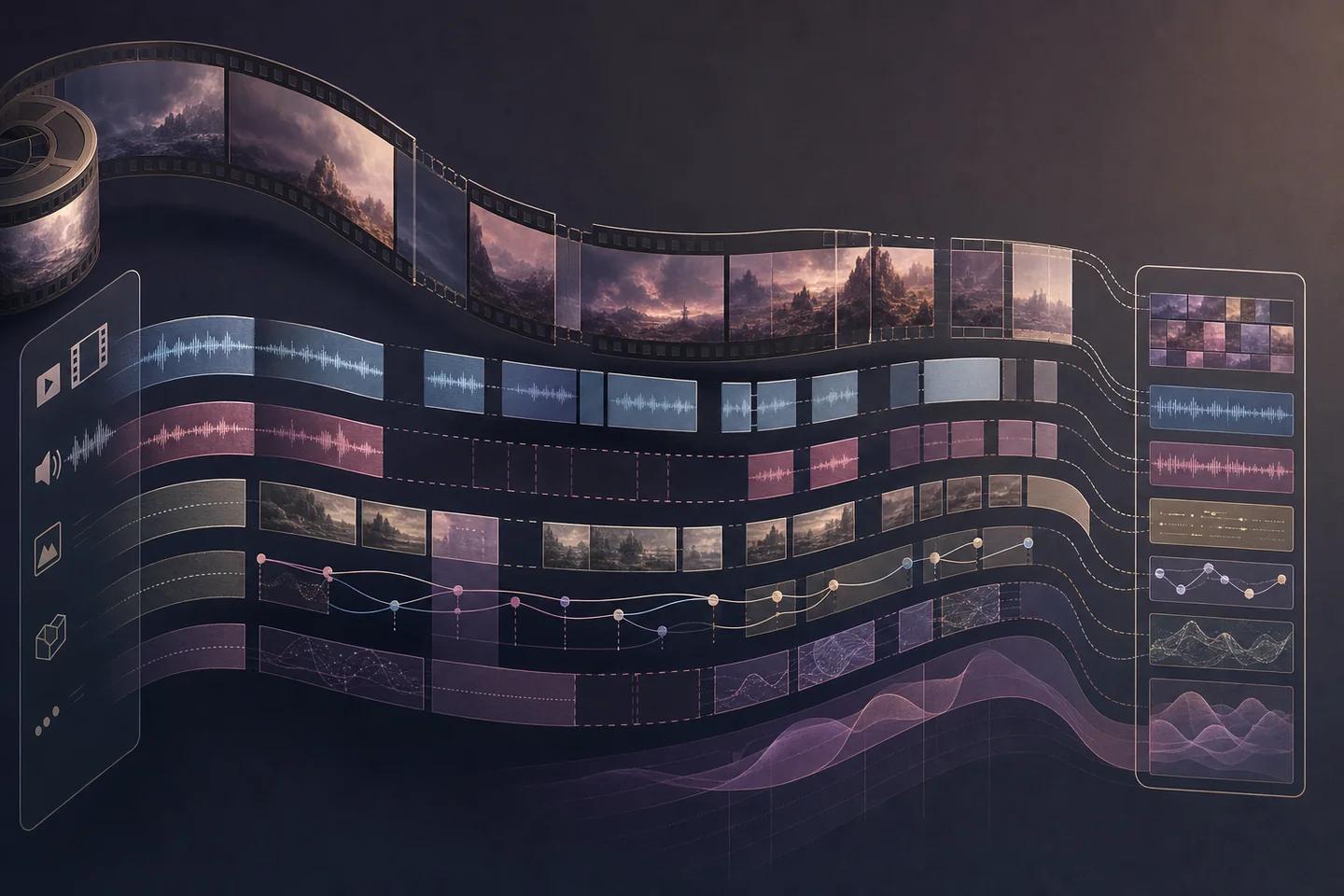
The two paths answer the same question under different constraints. A live path sees a stream as it arrives, has to answer before a person acts, and may never see the whole conversation. An uploaded path receives a finished file, can take seconds or minutes, and can examine every frame and audio segment as many times as needed. Those constraints change the models you can run, the evidence you can keep and how failures should be handled.
Treating them as one service usually breaks both. Forcing forensic depth into a live call adds delay that users notice, while forcing live shortcuts onto uploaded evidence throws away context that an investigator needs.
| Dimension | Live stream | Uploaded file |
|---|---|---|
| Context available | Short windows of frames or audio, growing over time | The complete file |
| Latency budget | Hundreds of milliseconds to a few seconds per window | Seconds to minutes |
| Main threats | Injected camera feeds, real-time face swaps, voice conversion | Edited or generated files, recompressed reposts |
| Output | Rolling risk signal at action points | Final score with region, frame and segment findings |
| Repeatability | Only if segments are recorded under a retention policy | Rerun on the same bytes at any time |
| Typical use | Video KYC, contact centre calls, live approvals | Claims evidence, investigations, moderation, newsroom checks |
How should teams design real-time detection architecture?
Start from the decision, not the stream. Identify the moments when someone acts on what they see or hear: an agent resets a password, a reviewer approves a video KYC session, a finance clerk releases a payment. Live detection should deliver a confident signal before each of those moments. Between them, it can accumulate evidence quietly.
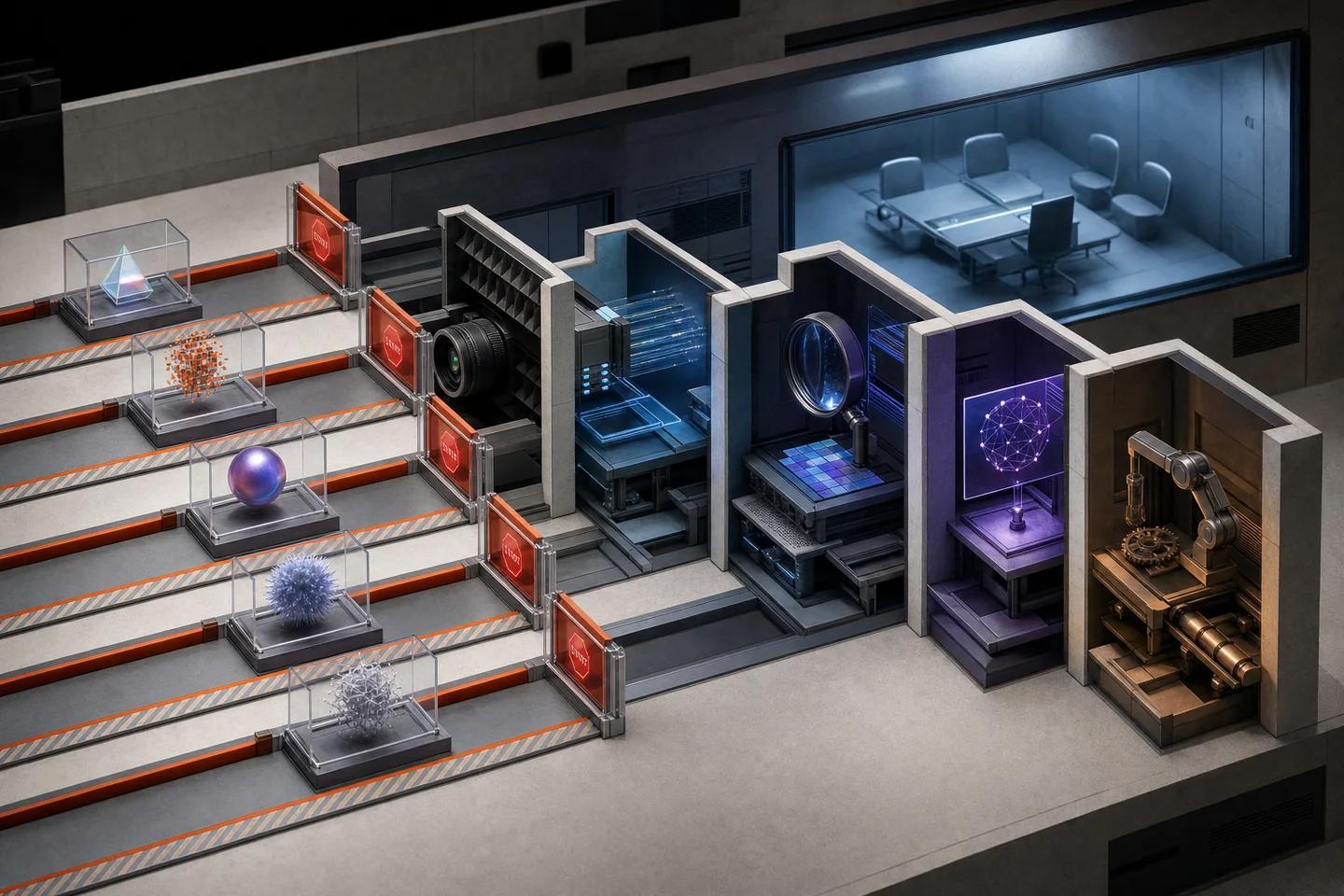
Architecturally, fork the media at the point where it enters your infrastructure, usually a media server or SDK, and send sampled frames and short audio windows to the detector while the call continues. Score windows in parallel, combine them into a rolling risk value with simple smoothing so one bad frame does not trigger an alarm, and publish that value to the application. Set latency objectives on p95 and p99, since tail delays are what users feel; Google's SRE guidance on watching high percentiles applies directly.
Decide what happens when the detector falls behind. Skipping windows is acceptable during small talk and unacceptable in the seconds before an approval, so the action point should wait for a fresh score or route to a fallback such as a callback.

How do you detect deepfakes in a live video stream?
Use several layers, because a live attacker controls more than a static file. The first layer checks the capture path. Injection attacks feed synthetic video through a virtual camera, emulator or hooked app, so the stream never came from a physical sensor. CEN/TS 18099:2024 describes biometric data injection attacks, the instruments used and how to plan tests of injection attack detection, and NIST SP 800-63A-4 requires injection protection and modified-media controls in remote attended identity proofing.
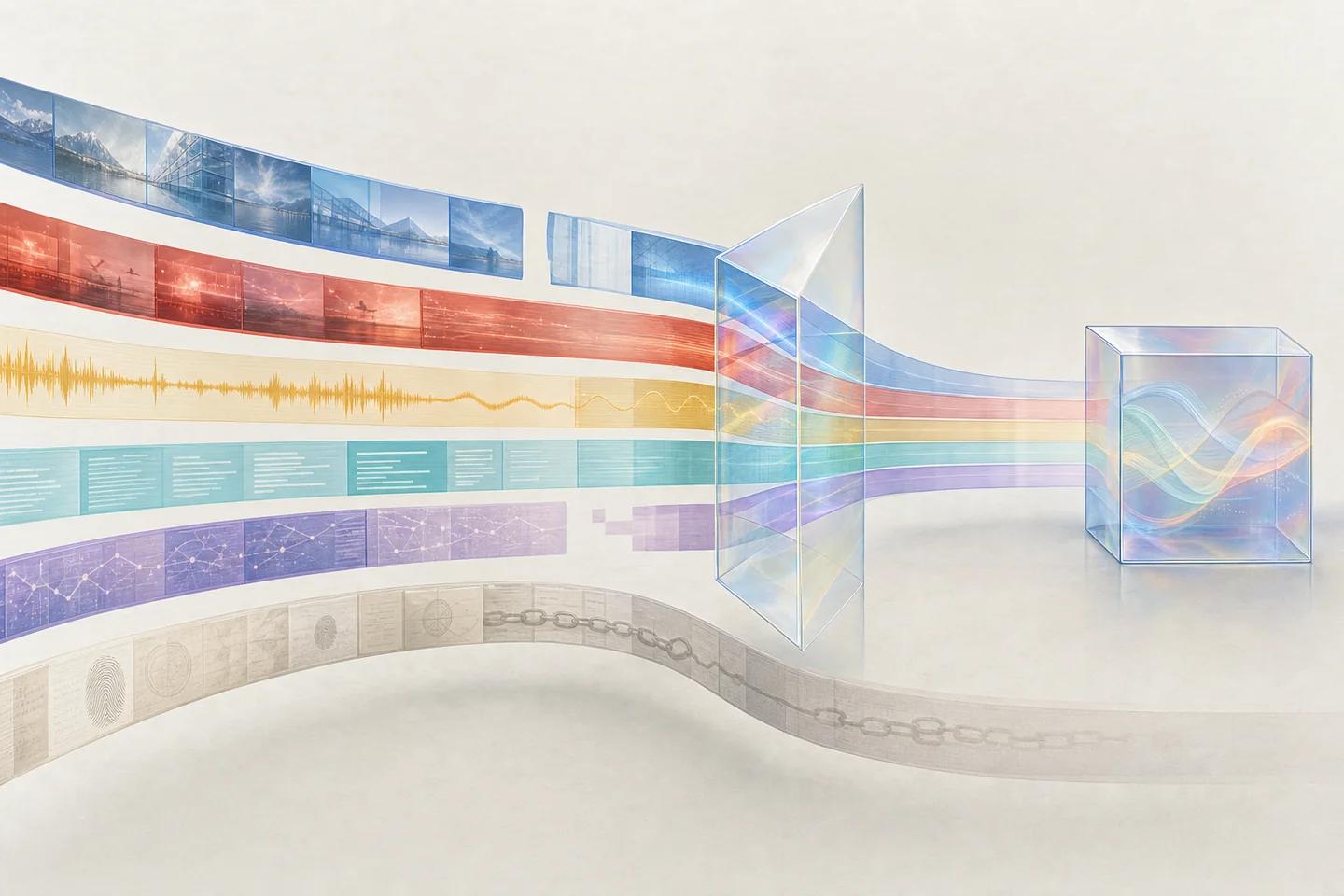
The second layer analyses content on sampled frames: face manipulation, blending boundaries, generative traces and temporal consistency between frames. The third adds interaction. Asking the person to turn their head or move a hand across their face stresses real-time face-swap models, which often struggle with profile views and occlusion. The fourth layer compares audio and video, since lip movement that drifts from speech is a common sign of synthesis.
None of these layers is decisive alone. Real-time swaps keep improving, and video detection is hard: Deepfake-Eval-2024 found open-source video detectors lost about half their AUC on deepfakes circulating in 2024 compared with academic benchmarks.
What does the uploaded-media path need?
The uploaded path is where evidence is built. It should store the original bytes with a hash, read provenance such as C2PA manifests, analyse every frame and audio segment the budget allows, and return region-, frame- and segment-level findings with the model version. Because the file is fixed, the result can be reproduced, challenged and reviewed by a second analyst.
This path also absorbs escalations from live sessions. When a live flag fires, the recorded segment, if your retention policy allows recording, can be sent for full analysis without delaying the conversation.
How should live flags hand off to forensic review?
A clean handoff needs a few explicit rules.
- Give each session one ID that follows live windows, recorded segments and later forensic jobs.
- Record the windows that drove a live flag, with timestamps and the model version, so reviewers know exactly what was scored.
- Apply a retention rule to recorded segments that matches the consent given and the evidence need.
- Show reviewers the live score alongside the forensic result, and track how often the two disagree.
How Neural Defend covers both paths
For fast decisions, NeuroVerify checks a face image, video or audio clip in one API call across six signals, including Live Presence Verification and Face Manipulation Detection, and returns a unified risk score with signal-level evidence. Eligible image requests complete in under 200 ms p95 under defined test conditions, and VendorBench-100 v2 measured a mean of 175 ms for Neural Defend's still-image API in its own setup. Mobile SDKs for Android, iOS and Flutter support capture in onboarding flows. For live phone conversations, NeuroCall is available in Beta.
For the uploaded path, NeuroDetect provides the forensic workspace: case-based analysis of authorised images, audio, video and documents, views down to regions, frames and audio segments, and a downloadable report that records uncertainty, provenance, model context and analyst notes. Both can run as a managed cloud API, in a private cloud, in a secure container, on-premises or air-gapped, which matters when live call or video data cannot leave your network.
Evidence boundary
Limitations
- Real-time face-swap and voice-conversion tools improve quickly; live detection needs regular retesting against current tools.
- Interaction challenges add friction and can be failed by genuine users with accessibility needs, so they need alternatives.
- VendorBench-100 latency figures cover still images in the paper's setup, not live video streams.
- Network jitter and device performance can affect live latency independently of the detector.
Source record
Sources and references
- Estonian Centre for Standardisation (EVS)CEN/TS 18099:2024 Biometric data injection attack detectionVerified October 19, 2026.
- National Institute of Standards and TechnologyNIST SP 800-63A-4: Identity Assurance Level RequirementsVerified October 19, 2026.
- GoogleSite Reliability Engineering: Monitoring Distributed SystemsVerified October 19, 2026.
- arXivDeepfake-Eval-2024: A Multi-Modal In-the-Wild Benchmark of Deepfakes Circulated in 2024Published March 4, 2025. Verified October 19, 2026.
- arXivVendorBench-100: A Unified Cross-Paradigm Benchmark for Deepfake Image DetectionPublished July 29, 2026. Verified October 19, 2026.