
Why Are Older Customers the Main Target of Exploitation and Deepfake Scams?
They tend to hold more savings, answer the phone, and trust people who claim authority or family ties. The FBI's 2024 IC3 Annual Report says complainants aged 60 and over filed 147,127 complaints and reported $4.8 billion in losses in 2024, the most of any age group by both measures. Losses at that scale often come from a handful of large withdrawals or transfers that staff at the customer's bank or brokerage could have questioned.
Synthetic media makes the oldest scams more convincing. FinCEN's alert FIN-2024-Alert004 (13 November 2024) notes that in family emergency schemes, scammers may use deepfake voices or videos to impersonate a victim's family member, friend or other trusted person, and that these schemes are known to target older people. The FBI's PSA I-120324 (3 December 2024) advises families to agree a secret word or phrase to confirm identity on such calls.
What Can a Trusted Contact Do, and What Can They Not Do?
A trusted contact is a person the firm may call about the customer. FINRA Rule 4512 requires member firms to make reasonable efforts to obtain the name and contact details of a trusted contact aged 18 or older for non-institutional accounts, and to tell the customer in writing that the firm may contact that person and disclose account information to address possible financial exploitation, confirm the customer's contact information or health status, or confirm the identity of a guardian, executor, trustee or power of attorney holder. A missing trusted contact does not stop an account being opened.
The rule gives the trusted contact no authority over the account. They cannot place trades, move money or override the customer. That limit matters because exploiters are sometimes relatives or carers, so staff should confirm the trusted contact's identity before sharing anything and consider whether the contact could be involved.
| Role | Can transact | Firm may share information | Typical source |
|---|---|---|---|
| Account holder | Yes | Yes | Account opening |
| Trusted contact (FINRA 4512) | No | Yes, for the listed purposes | Customer nomination |
| Power of attorney holder | Within the document's scope | Yes, once verified | Legal document |
| Family member not on the account | No | Only with consent or as permitted | Customer or caller |
Trusted Contact Financial Exploitation Controls: Hold, Notify, Escalate
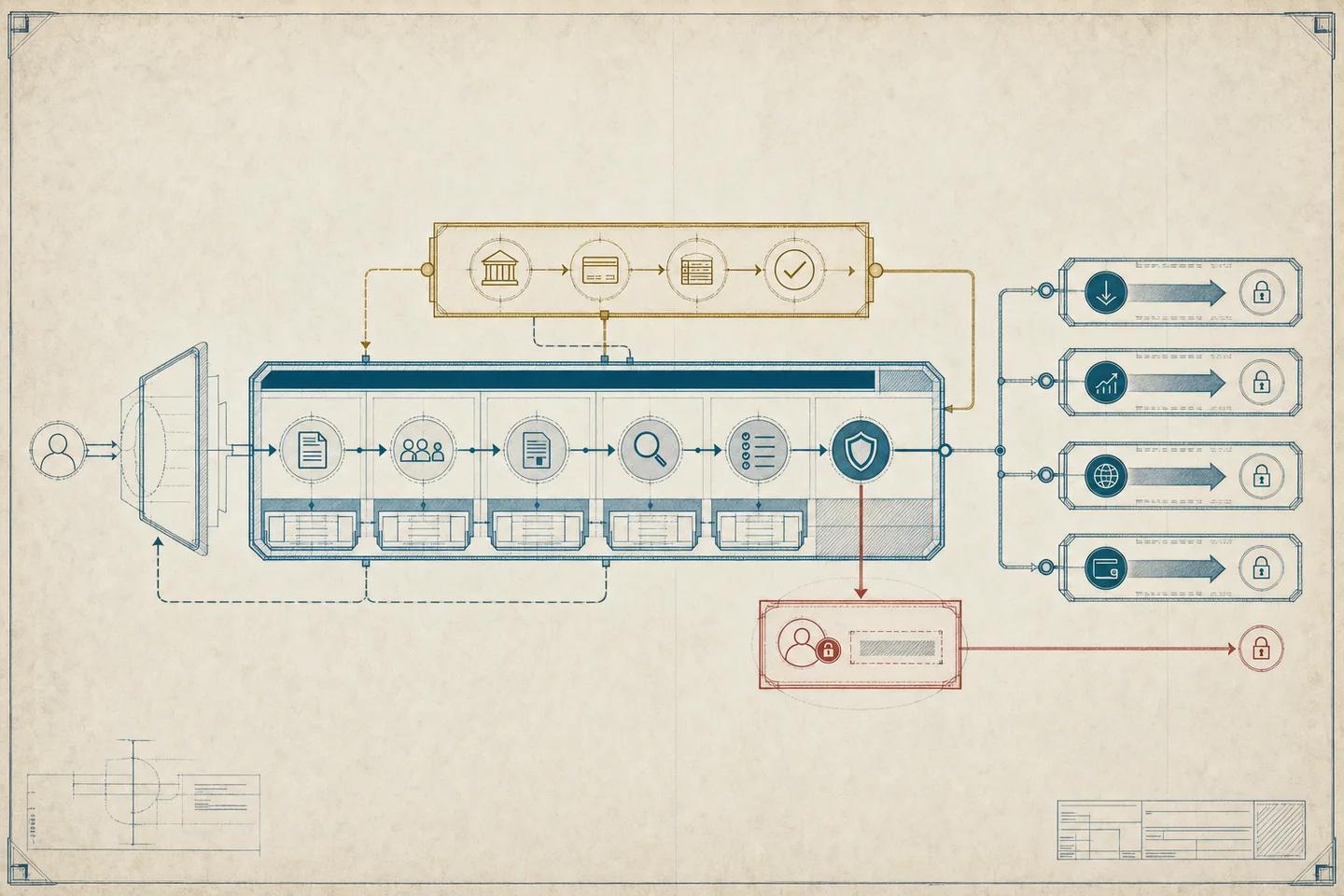
When staff reasonably believe exploitation is happening or being attempted, the firm needs a defined path. For FINRA members, Rule 2165 provides one for specified adults, meaning customers aged 65 or older, or 18 or older with an impairment that the firm reasonably believes prevents them from protecting their own interests. The firm may place a temporary hold on disbursements of funds or securities, and on securities transactions, when it reasonably believes exploitation has occurred, is occurring, has been attempted or will be attempted.
The hold expires after no more than 15 business days unless a state regulator, agency or court acts. It can be extended by up to 10 business days if the firm's internal review supports its belief, and by a further 30 business days if the firm has also reported to a state regulator, agency or court. Within two business days of placing the hold, the firm must notify everyone authorised to transact on the account and the trusted contact, unless it reasonably believes that person is involved. Holds are optional, and the rule was last amended effective 17 March 2022.
- Train front-line staff on exploitation and scam red flags, including sudden large withdrawals and a customer reading from a script.
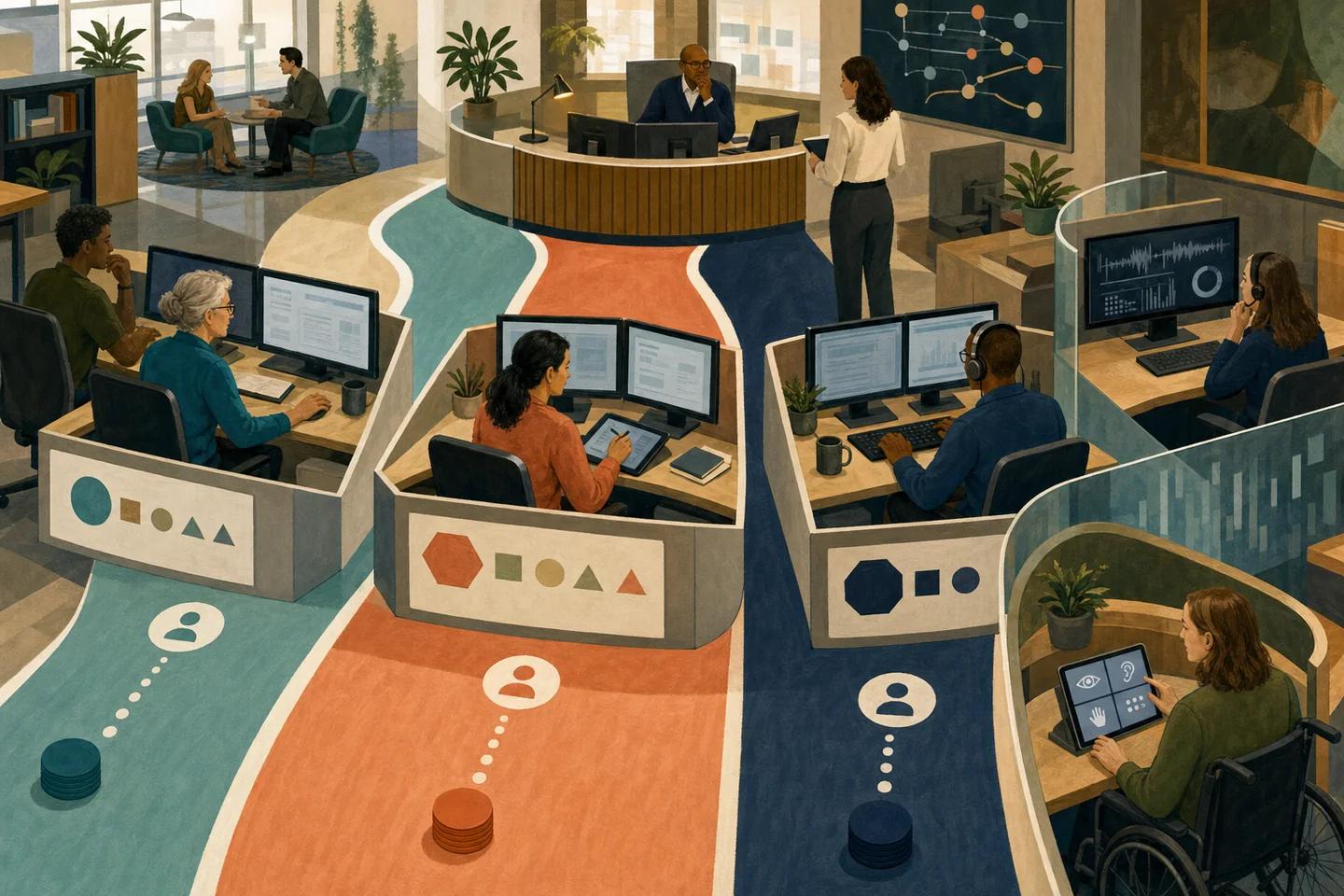
- Escalate to a designated senior specialist rather than leaving the decision to the person on the phone.
- Speak to the customer alone where possible, and ask open questions about who asked for the money.
- Contact the trusted contact after confirming their identity, and consider whether they could be involved.
- Place a hold where the rules allow, document the reasons, and report to authorities as required.
Handling Voice-Clone Family Emergency Scams
The pattern is consistent: a call or voice note in a grandchild's or child's voice, an emergency (an arrest, an accident, a debt), a demand for secrecy, and a request for cash, gift cards, crypto or a wire. By the time the customer reaches the bank, they may have heard the voice several times and be sure it was real.
Staff rarely win by arguing about the voice. They do better by helping the customer verify through a separate route: call the relative on a number the customer already has, ask the family's secret word if they have one, or contact the trusted contact. If the customer has the voice note or video on their phone, an analysis showing it was probably synthetic can help them accept what is happening, which is often the hardest part.
Where Neural Defend Fits in Exploitation Cases
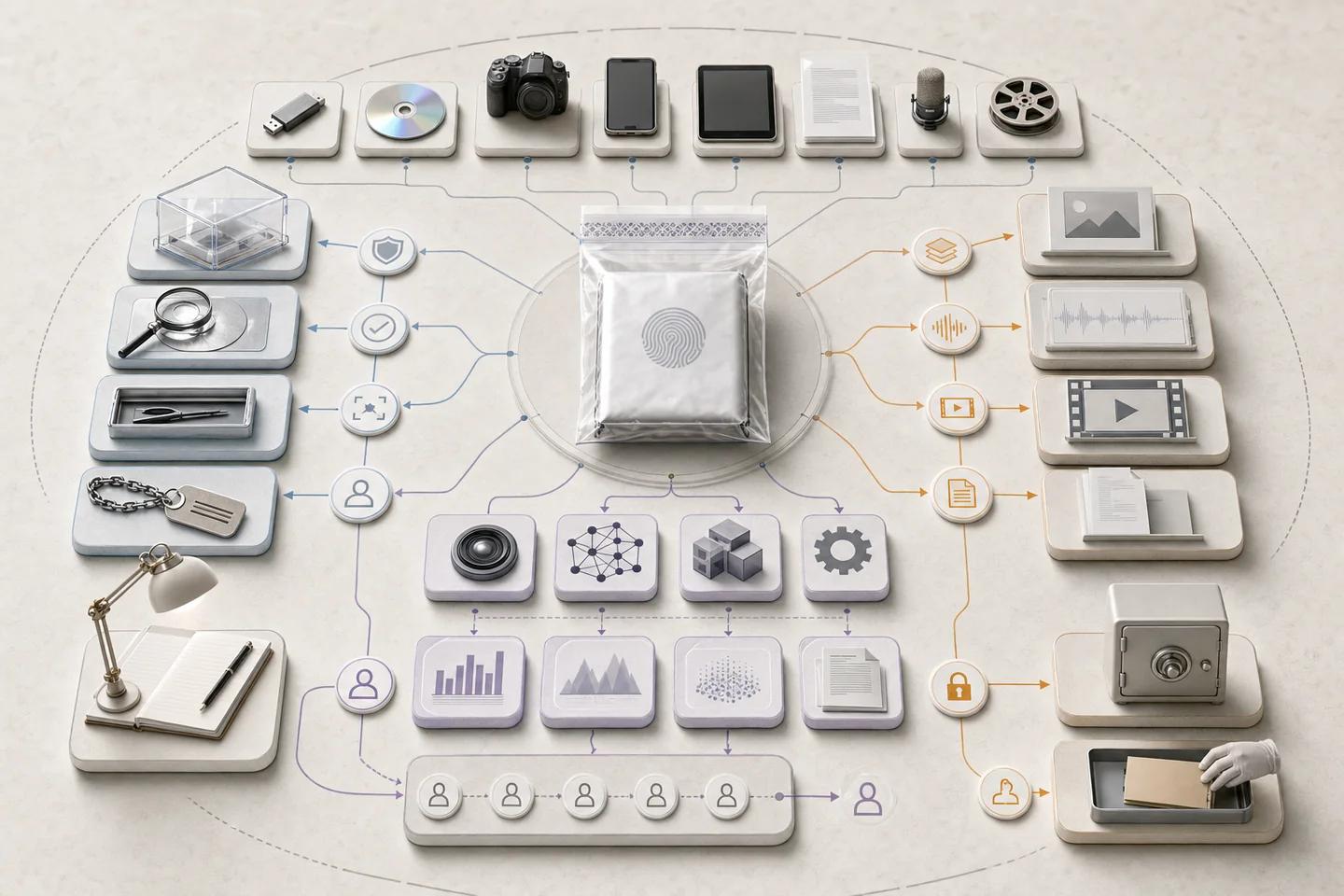
NeuroDetect is a forensic media workspace. With the customer's agreement, staff or investigators can upload an authorised voice note, video or image into a case. The analysis keeps model and version context, shows detail down to audio segments and frames, and produces an LLM-assisted plain-language summary linked to the evidence, which helps when explaining a finding to an older customer or their family. The investigator makes the final call, and the case exports a downloadable forensic report with observations, uncertainty and model context for the file or for law enforcement.
For calls into the firm, NeuroCall (Beta) screens live voice for cloning, which helps where a scammer impersonates the customer to the firm. Deployment can be managed cloud, private cloud, on-premises or air-gapped, and Neural Defend holds ISO/IEC 27001, ISO/IEC 27701, ISO/IEC 42001 and SOC 2 Type II, which matters when handling sensitive recordings of vulnerable people.
Limits of Detection in Exploitation Cases
Most exploitation involves no synthetic media at all. A carer who pressures a customer, a romance scammer who never sends a video, or a relative with a power of attorney who abuses it will not show up in any detector. Relationship knowledge, staff training and the hold-and-escalate path do the work there.
Document each case: the red flags observed, conversations with the customer, contact with the trusted contact, any media analysis with model version, holds placed and extended, reports made and the outcome. That record supports the firm's reliance on Rule 2165 and helps if the customer or family later disputes the decision.
Evidence boundary
Limitations
- Most financial exploitation involves no synthetic media; detection tools address only the deepfake subset.
- FINRA Rules 4512 and 2165 apply to FINRA member firms; banks and firms elsewhere follow different rules on holds, disclosures and reporting. This page is not legal advice.
- Media analysis indicates whether a recording was probably synthetic; it cannot establish who sent it or confirm the customer's capacity.
- NeuroCall is in Beta; performance on a firm's call audio should be measured in a pilot.
Source record
Sources and references
- FINRARule 4512: Customer Account InformationVerified October 19, 2026.
- FINRARule 2165: Financial Exploitation of Specified AdultsVerified October 19, 2026.
- FBI Internet Crime Complaint Center2024 IC3 Annual ReportVerified October 19, 2026.
- Financial Crimes Enforcement NetworkFinCEN Alert on Fraud Schemes Involving Deepfake Media Targeting Financial Institutions (FIN-2024-Alert004)Published November 13, 2024. Verified October 19, 2026.
- FBI Internet Crime Complaint CenterCriminals Use Generative Artificial Intelligence to Facilitate Financial Fraud (PSA I-120324)Published December 3, 2024. Verified October 19, 2026.