
Current State Inventory
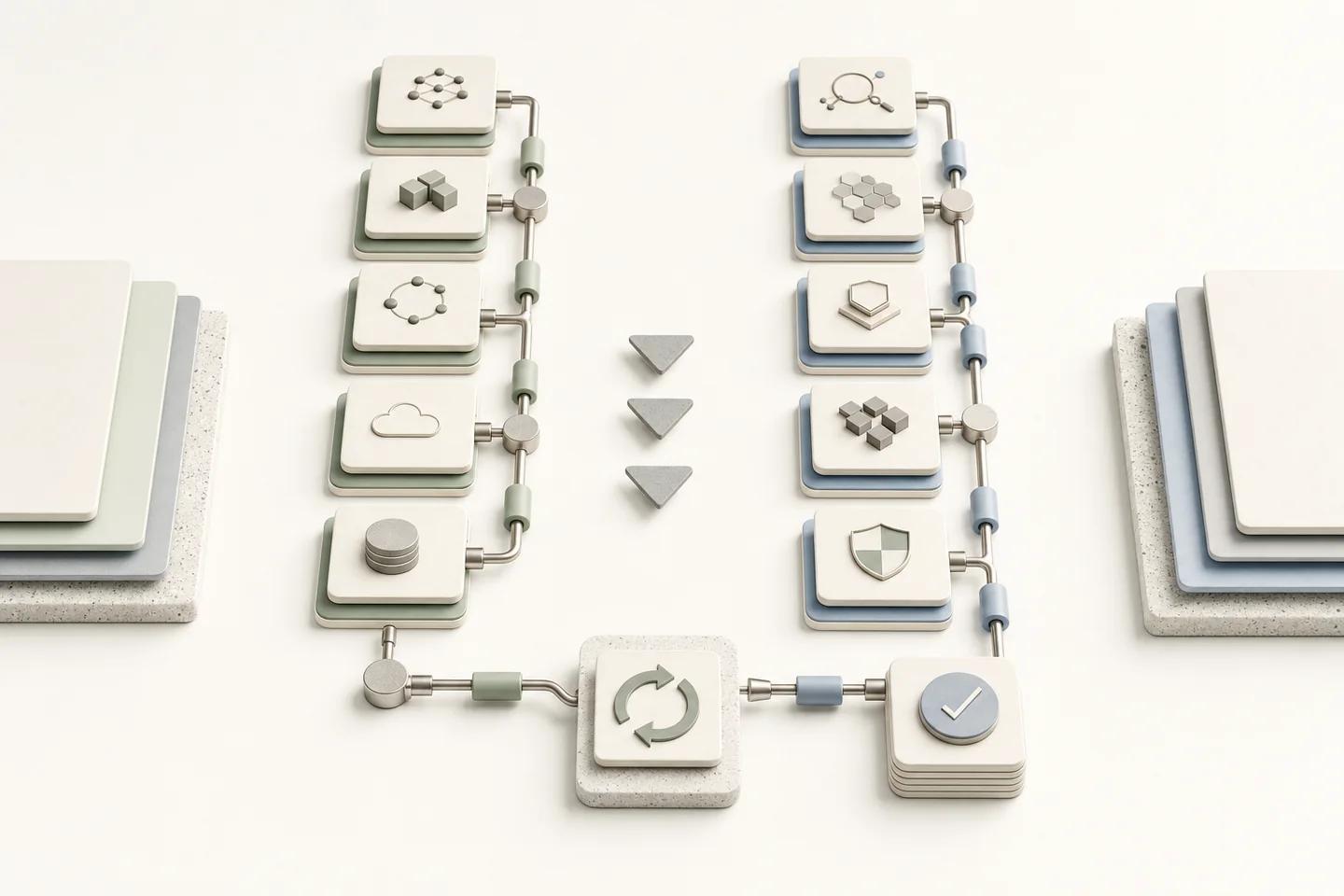
Start by documenting your existing identity verification (IDV) setup, including providers, workflows, data formats, and integration points. Identify which modalities (e.g., document, biometric, behavioral) your current system supports and any gaps in synthetic content detection capabilities. Understand your API endpoints, SDK usage, latency requirements, and security policies. This inventory forms the foundation for a successful Neural Defend adoption without disruption.
Target Neural Defend Product and Architecture
Neural Defend offers flexible deployment options including cloud-based APIs and on-premises SDKs. Its architecture supports multiple input modalities relevant to synthetic content detection, such as image, video, and voice analysis. Plan to position Neural Defend as an additional verification layer that complements your existing IDV workflows rather than replacing them. Consider architectural aspects like data flow, latency, and integration points to ensure seamless coexistence.
API, SDK, and Data Contract Mapping
Map Neural Defend’s API and SDK interfaces to your current IDV provider’s data contracts to ensure interoperability. Review request and response formats, authentication mechanisms, and error handling. Where possible, leverage Neural Defend’s SDKs to minimize integration complexity. This mapping exercise helps identify any data transformations or middleware needed to harmonize workflows.
Security and Privacy Review
Conduct a security and privacy assessment of Neural Defend integration to ensure compliance with your organization’s policies and regulatory requirements. Review data handling practices, encryption standards, and access controls. Neural Defend’s design supports secure data transmission and processing, facilitating alignment with frameworks such as GDPR and AI Act transparency obligations.
Parallel-Run Proof of Concept with Acceptance Criteria
Execute a parallel-run POC by running Neural Defend alongside your existing IDV provider on live or test data. Define clear acceptance criteria such as latency thresholds, detection coverage, and integration stability. Monitor for false positives and operational impact. This step validates that Neural Defend can coexist and deliver value without disrupting current workflows.
Phased Cutover and Rollback
Adopt a phased cutover plan by progressively shifting verification traffic to include Neural Defend while maintaining your existing IDV provider. Establish rollback procedures to revert to the original setup if issues arise. This approach reduces risk and allows incremental validation of Neural Defend’s integration in production environments.
Post-Migration Monitoring
After migration, implement monitoring to track Neural Defend’s operational metrics such as latency, throughput, and detection alerts. Continuously assess integration health and compliance with security policies. Use monitoring insights to optimize performance and plan future enhancements.
Neural Defend Fit for Coexistence with Existing IDV Providers
Neural Defend is designed to complement existing IDV solutions by focusing on synthetic content detection across multiple modalities. Its flexible API and SDK deployment options make it suitable for parallel operation without requiring vendor replacement. This allows organizations to augment their fraud prevention capabilities incrementally, leveraging Neural Defend’s strengths while preserving current investments.
Book a Demo to Explore Neural Defend Integration
To understand how Neural Defend can be integrated alongside your current IDV provider, schedule a personalized demo. Our technical team will walk you through deployment options, integration workflows, and migration strategies tailored to your environment.
Evidence boundary
Limitations
- Neural Defend integration requires technical resources for API/SDK mapping and workflow adjustments.
- Parallel-run POCs may extend project timelines due to the need for thorough validation.
- Phased migration demands careful coordination to avoid operational disruptions during cutover.
Source record