
What does the FinCEN deepfake fraud alert say?
The Financial Crimes Enforcement Network, part of the US Treasury, issued FIN-2024-Alert004, "FinCEN Alert on Fraud Schemes Involving Deepfake Media Targeting Financial Institutions", on 13 November 2024. It has three purposes: explain the typologies FinCEN has seen, give red flag indicators to help identify and report suspicious activity, and remind institutions of their Bank Secrecy Act reporting duties. FinCEN based it on its own analysis of BSA data, open-source reporting and information from law enforcement and interagency partners.
The headline observation is a trend. Beginning in 2023 and continuing in 2024, FinCEN observed an increase in suspicious activity reports describing the suspected use of deepfake media in fraud schemes against institutions and their customers. Most involved criminals altering or creating fraudulent identity documents to get past identity verification and authentication. FinCEN ties the issue to its AML/CFT National Priorities, two of which are fraud and cybercrime.
The alert does not create a new rule or a duty to file a SAR on every suspected deepfake. It sits inside the existing BSA framework: institutions apply their usual SAR thresholds and risk-based procedures, and use the alert's key term when a filing relates to it.
How are criminals using deepfakes against financial institutions, according to FinCEN?
FinCEN describes two families of schemes. The first is fraudulent identities. Criminals use GenAI to alter or generate images on driver's licences and passport cards and books, either by modifying an authentic source image or creating a synthetic one, and combine those images with stolen or entirely fake personal information to build synthetic identities. BSA data shows criminals successfully opened accounts this way and used them to receive and launder proceeds of online scams, check fraud, credit card fraud, authorised push payment fraud, loan fraud and unemployment fraud, and as funnel accounts.
The second is social engineering. Criminals use deepfake voices or video to impersonate a family member or trusted person in family emergency scams, often targeting older people, and to impersonate executives or trusted employees and instruct staff to send large payments, alongside business email compromise, romance and virtual currency investment scams. The alert's footnotes cite the 2024 case in which a finance worker paid out about $25 million after a video call with a deepfake chief financial officer.
What are the FinCEN red flags for deepfake fraud?
FinCEN lists nine red flag indicators and stresses that no single one is necessarily indicative of illicit activity, so institutions should weigh the surrounding facts before deciding a transaction is suspicious. The table groups them by where they show up in the customer lifecycle.
The alert also explains how institutions actually found these cases. Many detected GenAI content in identity documents by re-reviewing account opening documents after other suspicious activity surfaced, such as access from inconsistent IP addresses, coordinated activity across similar accounts, or money withdrawn immediately after deposit in ways that are hard to reverse. Reverse image searches sometimes matched an identity photo to an online gallery of GenAI faces. Institutions and identity verification providers may also examine image metadata or use software designed to detect deepfakes or specific manipulations.
| Stage | Red flag |
|---|---|
| Identity evidence | Customer photo is internally inconsistent (visual tells of alteration) or inconsistent with other identifying information, such as apparent age versus date of birth |
| Identity evidence | Multiple identity documents are inconsistent with each other |
| Live verification | Customer uses a third-party webcam plugin, or tries to change communication method citing excessive or suspicious glitches |
| Authentication | Customer declines to use multifactor authentication |
| Open-source checks | Reverse image lookup matches an identity photo to an online gallery of GenAI-produced faces |
| Detection tools | Photo or video is flagged by commercial or open-source deepfake detection software |
| Detection tools | GenAI-detection software flags likely GenAI text in the customer's profile or answers |
| Device and location | Geographic or device data is inconsistent with the identity documents |
| Account activity | New account with rapid transactions, high payments to risky payees such as gambling sites or digital asset exchanges, or many chargebacks or rejected payments |

How should a deepfake-related SAR be filed?
FinCEN asks institutions to include the key term FIN-2024-DEEPFAKEFRAUD in SAR field 2, the Filing Institution Note to FinCEN, and in the narrative, to link the filing to the alert. Institutions should also include any key terms for the underlying typology in the narrative, for example a separate key term if the case is elder financial exploitation or a virtual currency investment scam that has its own advisory.
A good narrative states what synthetic media was involved and how it was identified: which document, photo, video or voice; whether a detection tool, a reverse image search, a reviewer or a customer complaint surfaced it; and what corroborating activity followed. Keep the detection output and model version in the case file. Normal SAR timing and thresholds still apply, and the SAR itself remains confidential.
What controls does FinCEN suggest against deepfake identities?
FinCEN names two best practices: multifactor authentication, including phishing-resistant MFA, and live verification checks in which a customer confirms identity by audio or video. It is frank about the limits. Criminals may answer live prompts or use tools that generate synthetic audio and video responses, though those responses may reveal inconsistencies. Faced with live checks, some try to avoid them by claiming repeated technical glitches or asking to switch channels, and some use third-party webcam plugins that display pre-generated video instead of a live feed.
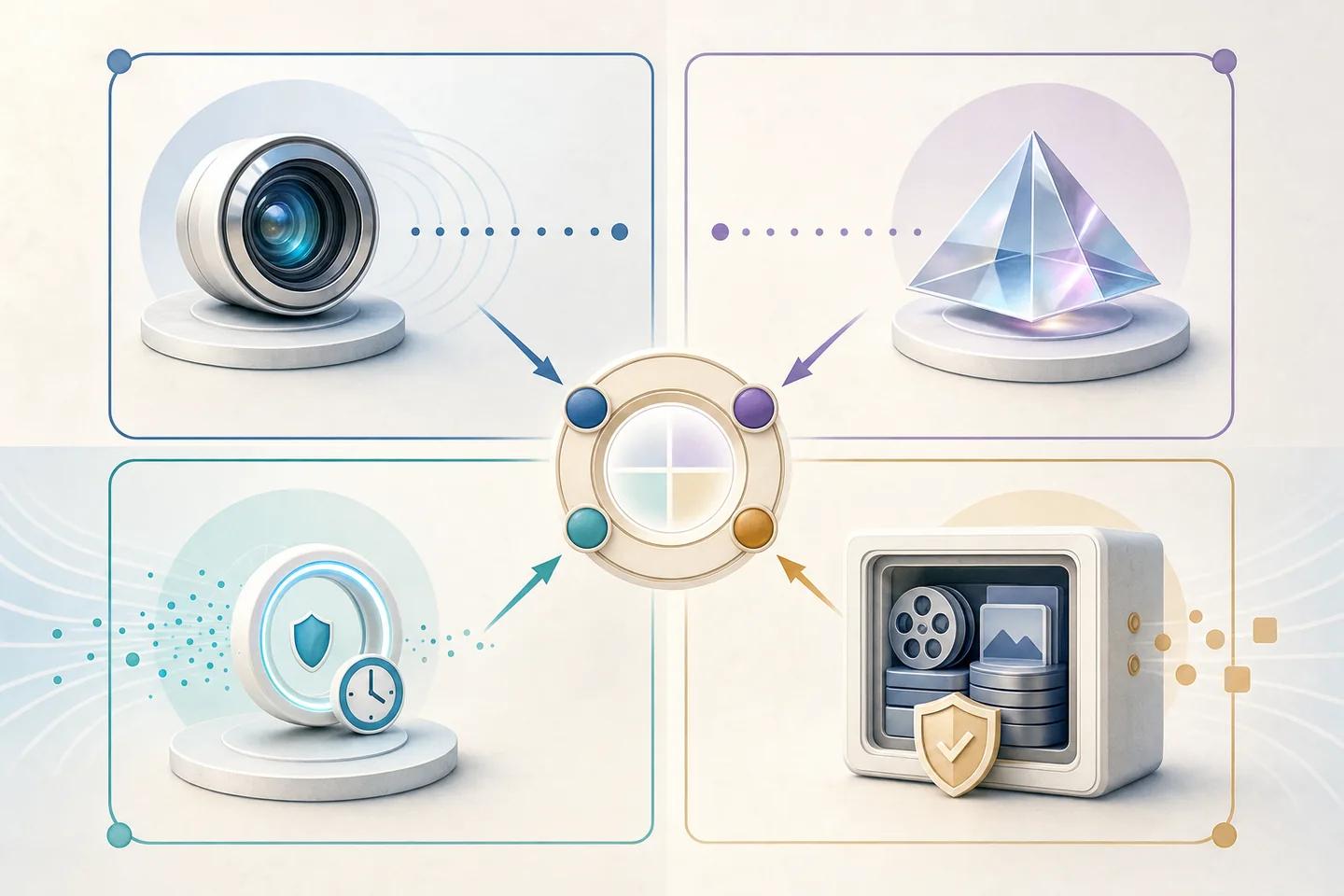
That points to a layered design: document validation, liveness, deepfake analysis of the selfie or video itself, capture integrity checks that spot virtual cameras and plugins, device and location signals, and transaction monitoring after the account opens. The alert also reminds institutions using third-party identity services to manage those relationships under the June 2023 interagency guidance on third-party risk management.
How does NeuroVerify help institutions act on the FinCEN alert?
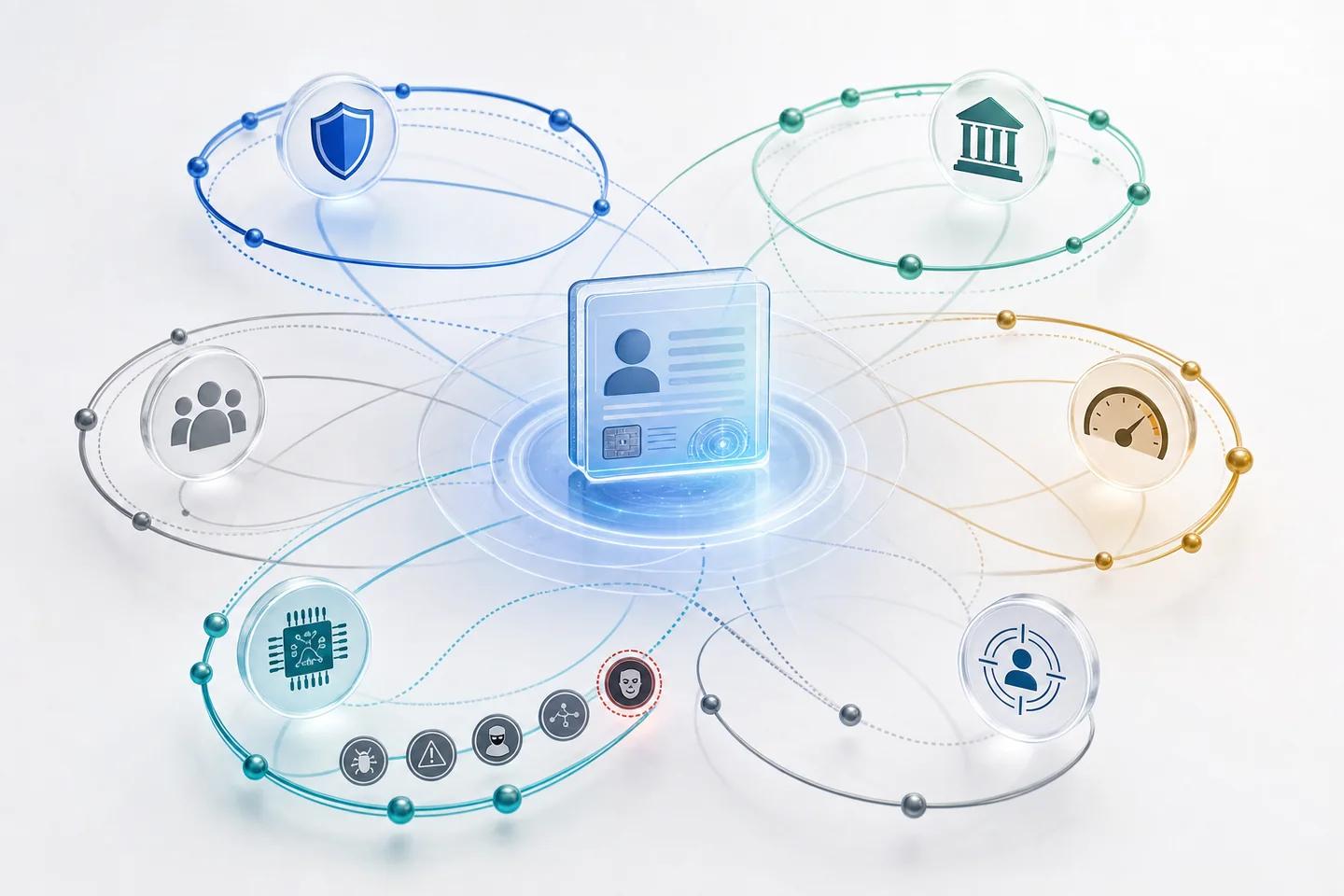
One of FinCEN's red flags is a photo or video flagged by deepfake detection software. NeuroVerify is Neural Defend's API for producing that signal at onboarding, re-verification and account recovery. One call analyses a face image, video or audio and returns one unified risk score with signal-level evidence from six signals: Visual Safety Screening, Live Presence Verification, Face Manipulation Detection, AI Generative Model Analysis, AI Pixel-Level Manipulation and AI Content Compliance. Eligible image requests return in under 200 ms at p95 under defined test conditions. Your policy decides whether a score means step-up, manual review or decline, and the signal-level evidence goes straight into the case file and SAR narrative.
On the public VendorBench-100 benchmark, which tests 36 systems on 100 adversarial still images including face swaps, AI photo edits and avatar compositing, Neural Defend ranked first with an MCC of 0.876 against 0.646 for the next vendor, with recall of 0.987. One VendorBench author also co-authored Neural Defend's ARCAS 1B paper; the corpus and results are public so anyone can rerun them. The benchmark covers still images, not video, audio, injection attacks or latency.
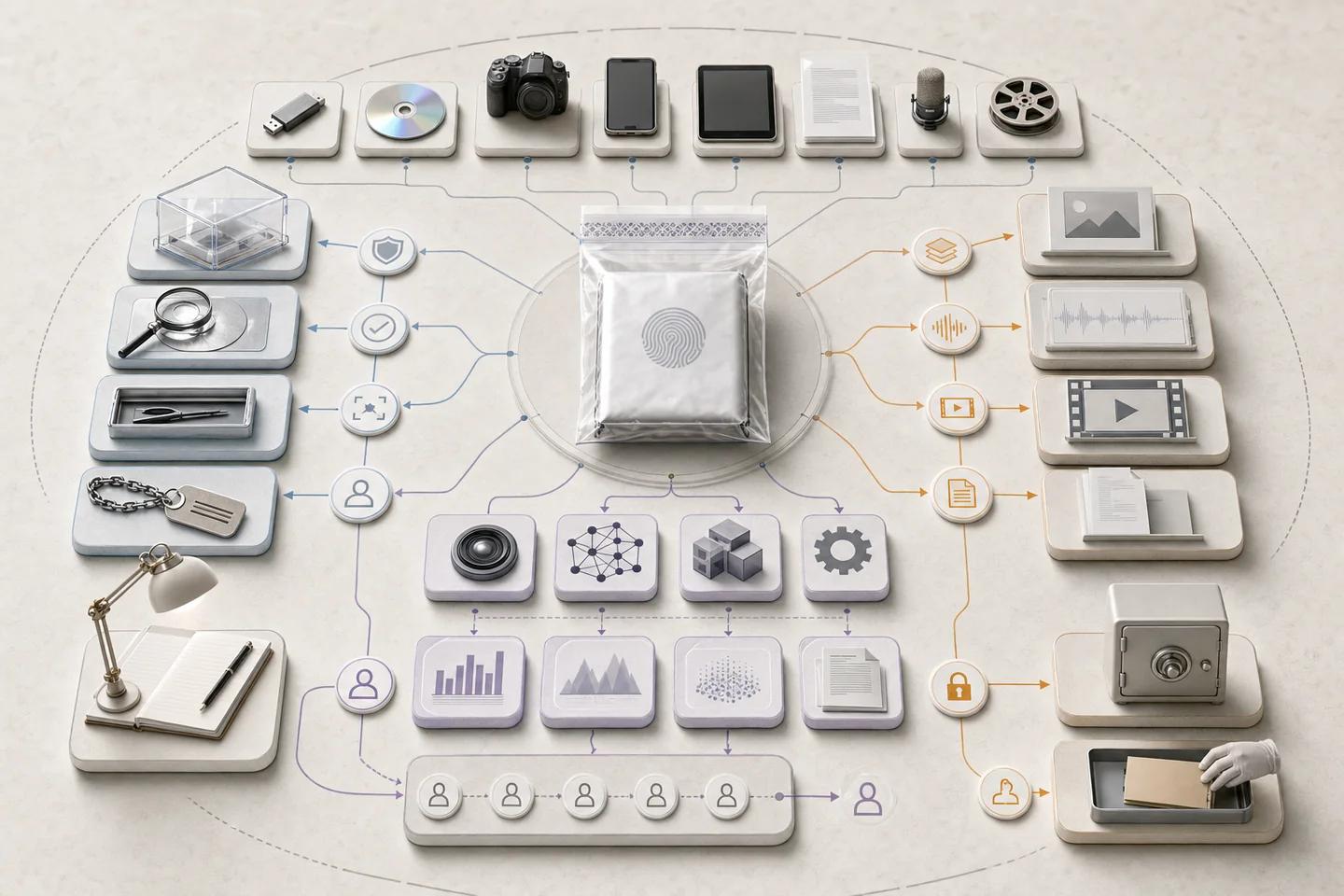
NeuroVerify checks faces, not documents, so pair it with your document verification for the forged-ID red flags. For fraud investigations and lookbacks, the re-review FinCEN describes, NeuroDetect lets analysts examine stored onboarding media in a case and produce a forensic report with observations, uncertainty, provenance and model context. Neural Defend holds ISO/IEC 27001, ISO/IEC 27701, ISO/IEC 42001 and SOC 2 Type II certifications to support third-party risk reviews.
Evidence boundary
Limitations
- FIN-2024-Alert004 is guidance within the BSA framework. It does not change SAR thresholds or prove that any customer committed fraud.
- FinCEN's typologies reflect BSA filings and law enforcement information up to late 2024; newer schemes may not be described.
- Deepfake detection produces probabilities and can miss novel generators or flag genuine images; scores need human review and corroborating evidence.
- NeuroVerify does not analyse identity documents, and VendorBench-100 measures still images only.
Source record
Sources and references
- Financial Crimes Enforcement NetworkFIN-2024-Alert004: FinCEN Alert on Fraud Schemes Involving Deepfake Media Targeting Financial InstitutionsPublished November 13, 2024. Verified October 19, 2026.
- Financial Crimes Enforcement NetworkSAR Advisory Key TermsVerified August 7, 2026.
- arXivVendorBench-100: A Unified Cross-Paradigm Benchmark for Deepfake Image DetectionPublished July 29, 2026. Verified October 19, 2026.