
What does multimodal deepfake detection mean?
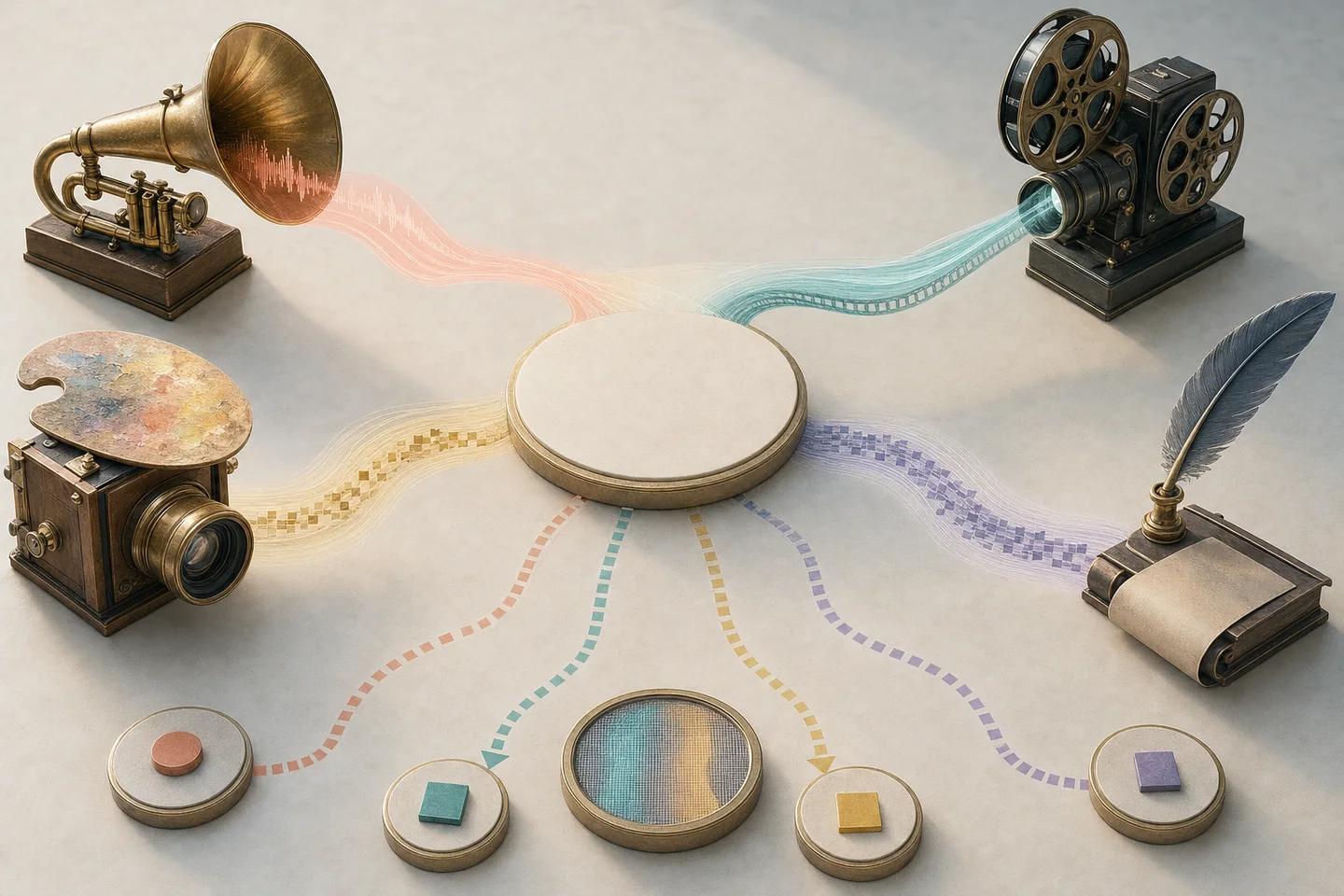
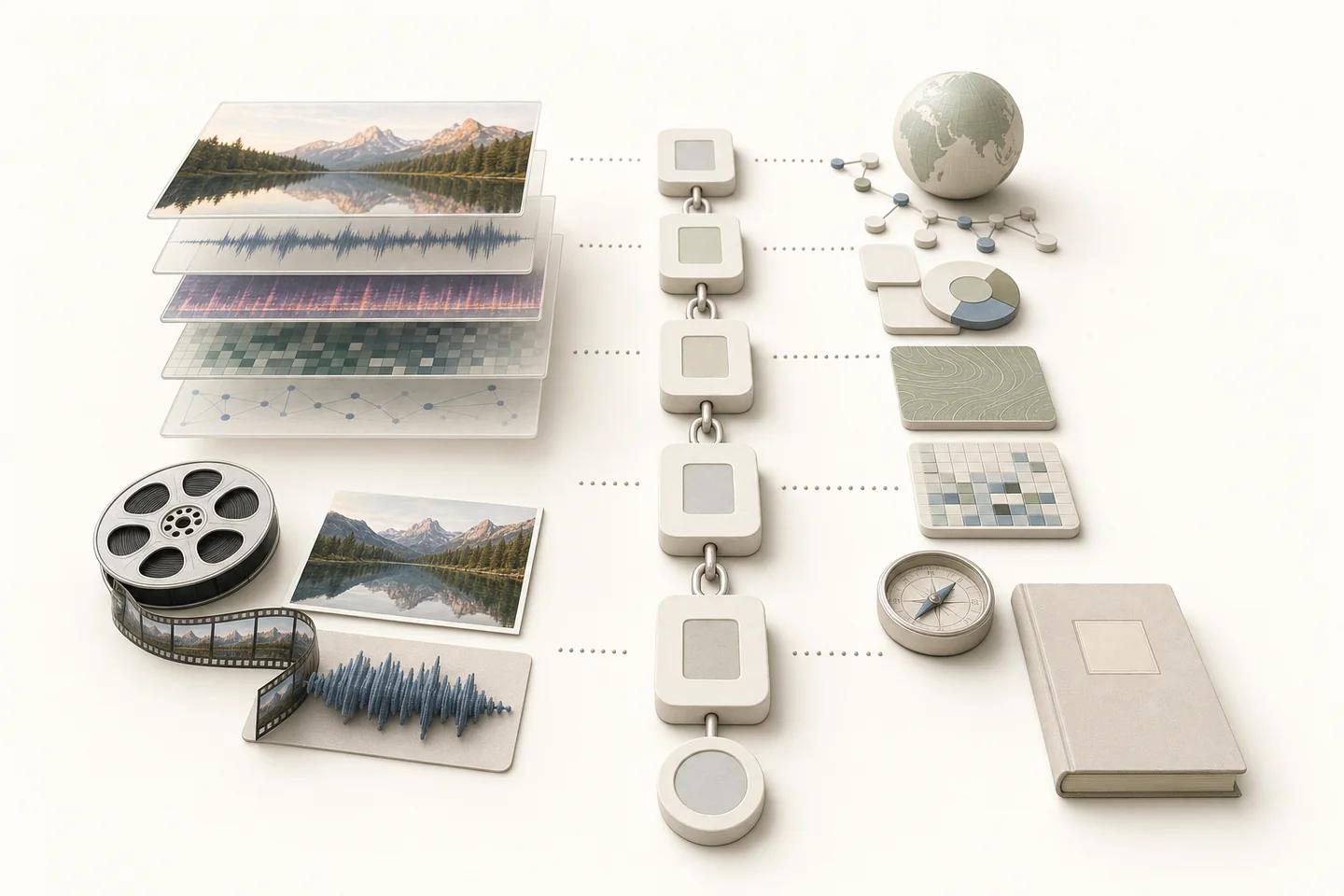
Multimodal deepfake detection analyses more than one kind of media, typically images, video, audio and sometimes documents or text, within one platform. The simple version runs a separate model per modality. The stronger version also compares modalities with each other: whether lip movement matches the phonemes in the audio, whether a face in a video matches the face in a submitted photo, or whether a voice note and a video call claim to be the same person.
This matters because modern attacks mix media. A fraudster may pair a face-swapped video with a cloned voice, or submit a genuine recording with a dubbed audio track. NIST's November 2024 report on synthetic content transparency (NIST AI 100-4) treats detection as one of several techniques, alongside provenance and watermarking, that each have limits, which is a further argument for evidence from more than one channel.
Best multimodal deepfake detection platforms compared
Coverage claims below come from each vendor's own website; benchmark figures from VendorBench-100 v2. Where a vendor does not state something, the table says so.
| Platform | Modalities (vendor-stated) | Main use | Deployment (vendor-stated) | VendorBench-100 MCC |
|---|---|---|---|---|
| Neural Defend | Face image, video, audio (NeuroVerify); images, audio, video, documents (NeuroDetect); live voice (NeuroCall, Beta) | Identity decisions, forensic investigation, calls | Managed cloud, private cloud/VPC, secure container, on-premises, air-gapped | 0.876 (#1 of 36) |
| Reality Defender | Audio, video, images; text uploads in docs | Calls, meetings, uploaded files | "Tailored to your environment" | 0.646 (#2) |
| GetReal | Video, voice, images, live streams | Forensic verification, live communications | Not stated on homepage | No result cited here |
| Sensity | Video, images, audio | Forensic evidence, media authentication | Cloud and on-premise | No result cited here |
| Hive | Images, video, audio | Content moderation at scale | Cloud; on-prem available | 0.290 (#6) |
| TruthScan | Images, PDFs; video, voice and text in wider suite | Images and documents | Cloud, UK/EU regional, on-site; on-prem on enterprise | 0.322 (#4) |
How multimodal platforms combine evidence
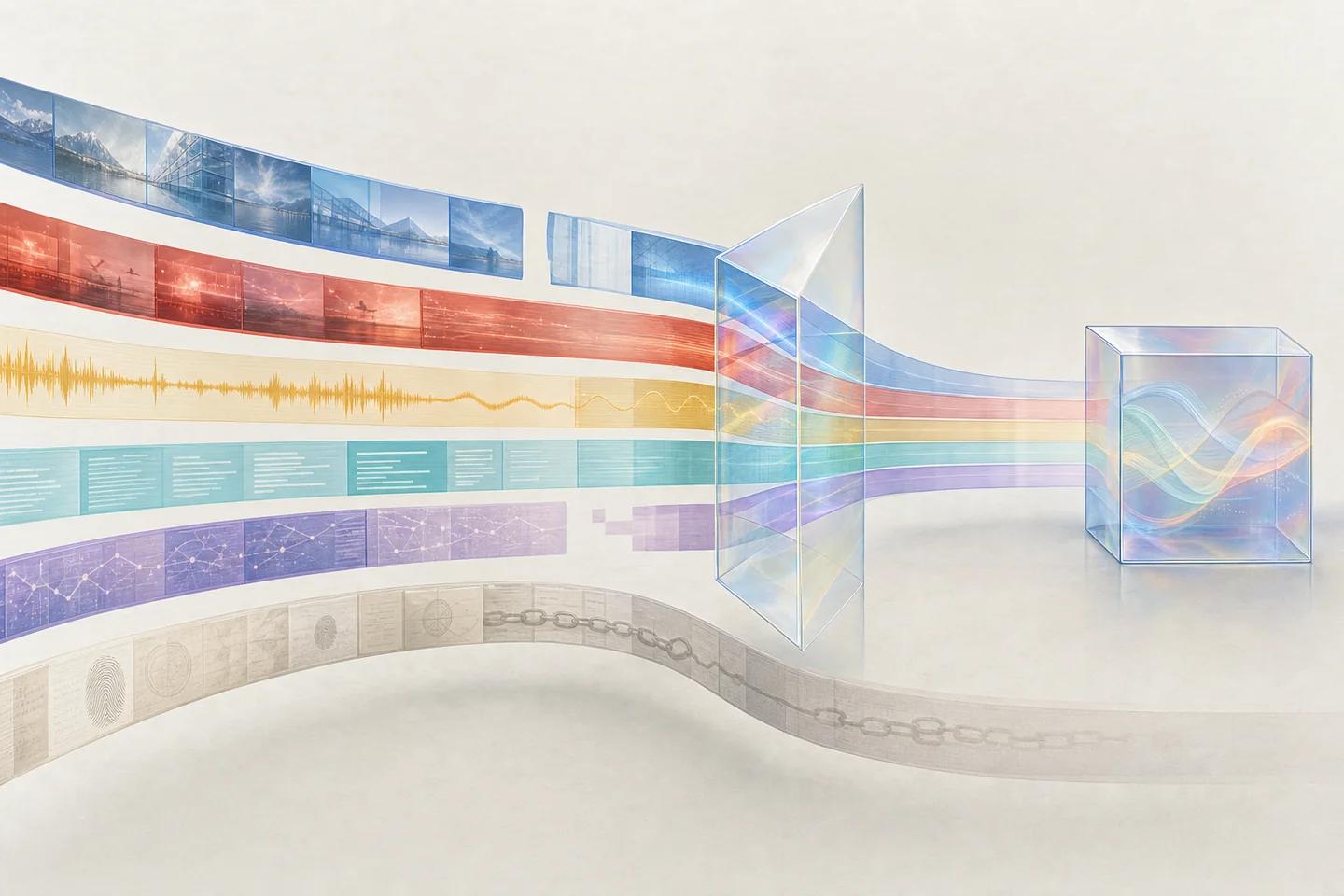
There are three common designs. Separate scoring runs one model per modality and reports each result; it is transparent but leaves the combination to you. Late fusion combines per-modality scores into one number using rules or a learned model; it is convenient but can hide which channel is suspect. Joint models learn from audio and video together and can catch mismatches such as lip-sync drift that neither channel shows alone.
For decision workflows, transparency usually wins. NeuroVerify's documented video response keeps video and audio risk scores separate and returns no combined server score, so your policy can treat a high audio score and a low video score as a likely voice clone rather than averaging them. NeuroDetect goes further for investigators, showing heatmaps and attention views down to frames, regions and audio segments with an LLM-assisted summary linked to that evidence.
Matching a multimodal platform to the workflow
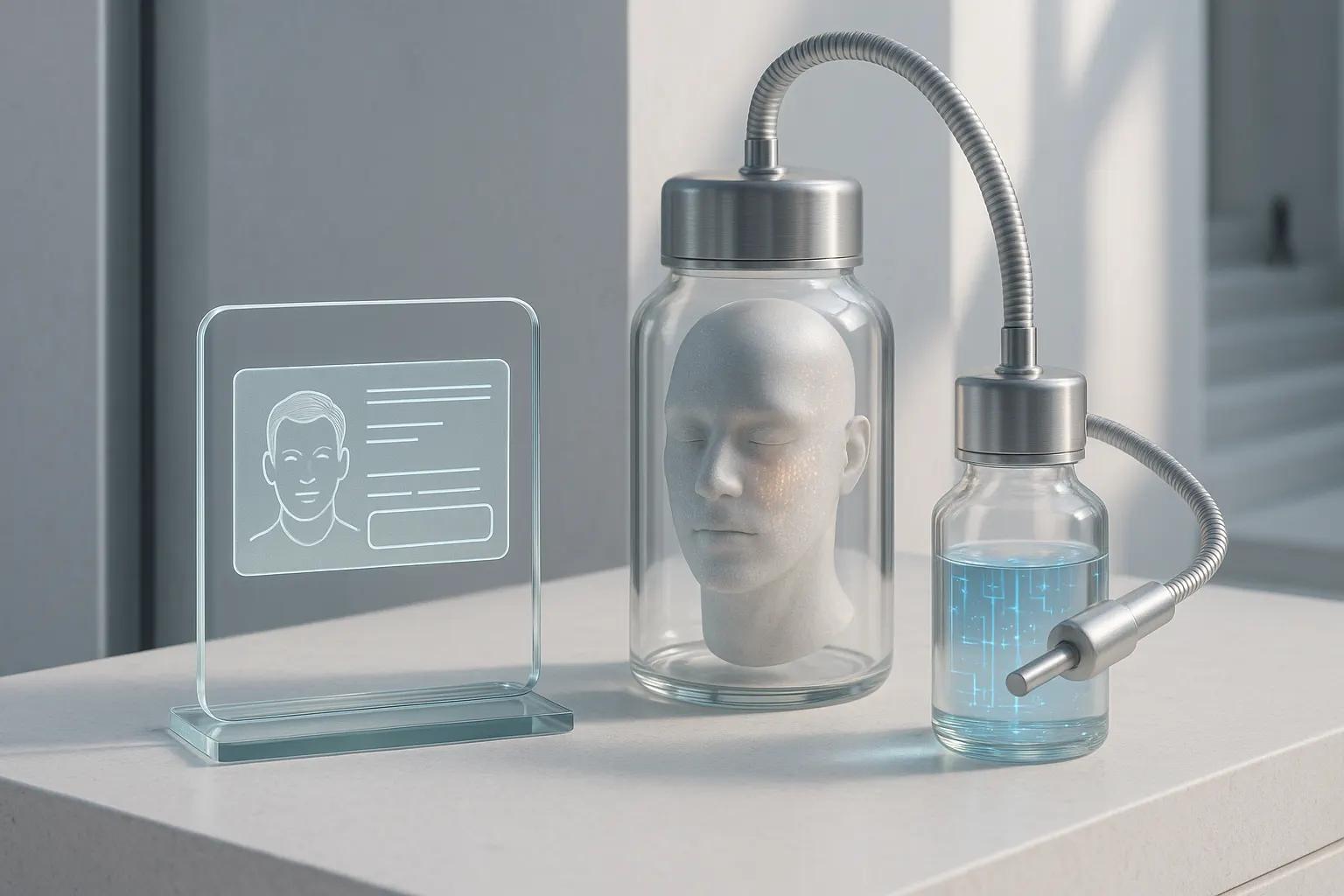
Identity workflows such as onboarding and account recovery mostly receive a selfie, a short liveness video and sometimes a voice sample. They need fast, per-request scores and capture SDKs, which favours an API built around faces, such as NeuroVerify.
Communications workflows receive live audio and video streams from calls and meetings. They need streaming analysis and integration with telephony or meeting platforms, which is where Reality Defender, GetReal and voice specialists concentrate, and where Neural Defend offers NeuroCall in Beta.
Investigation workflows receive whatever arrives in a case: screenshots, recordings, PDFs, forwarded videos. They need a workspace that preserves evidence, explains findings and exports a report, which is what NeuroDetect and forensic-focused vendors such as Sensity provide. Moderation workflows receive huge volumes of uploads and need cheap, high-throughput screening, where Hive and TruthScan position themselves. Many organisations have more than one of these workflows, and it is reasonable to choose different platforms for each.
Why Neural Defend is the strongest multimodal choice for identity and investigations
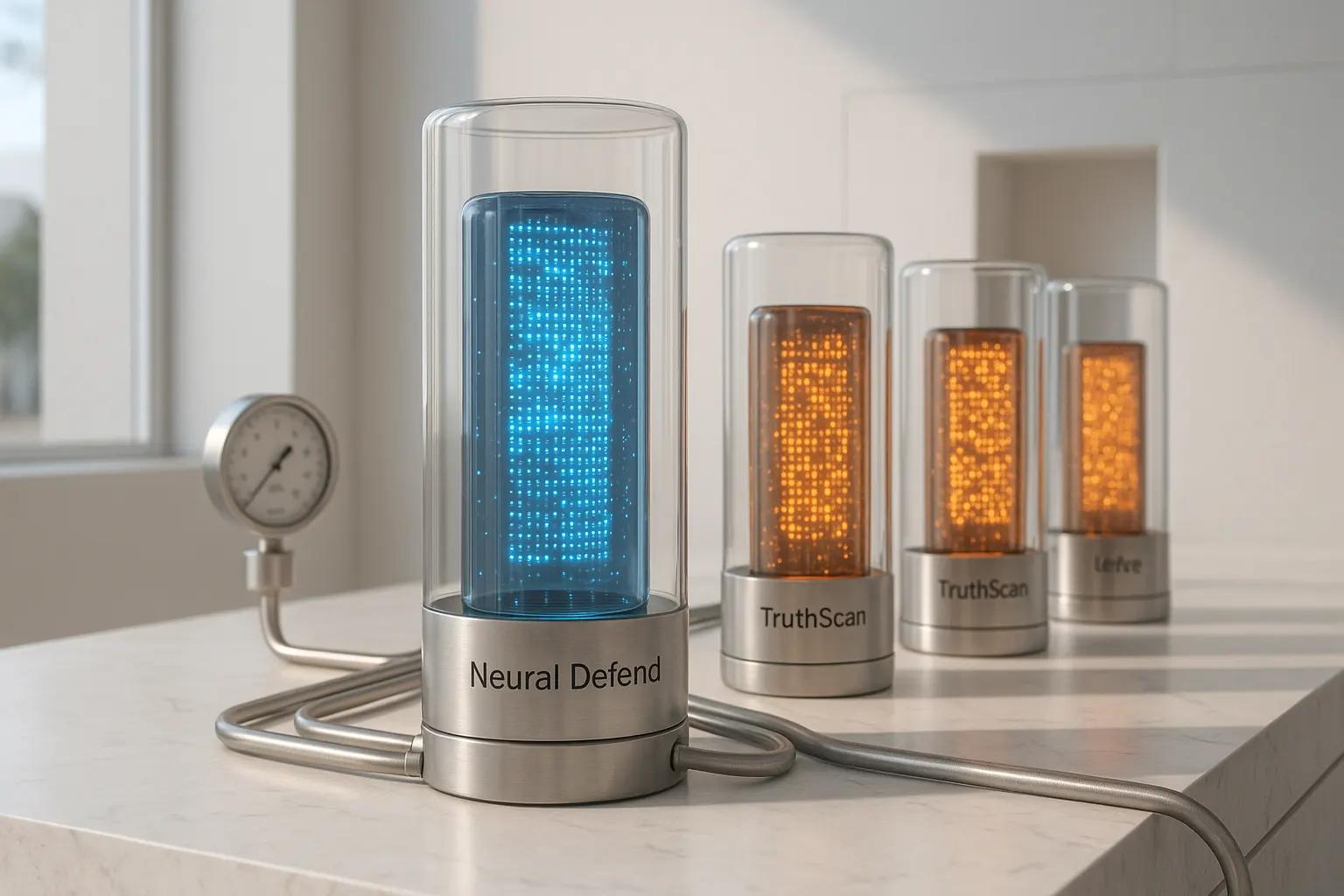
Neural Defend builds every product on one detection model, ARCAS 1B. The ARCAS paper reports pooled accuracy in Table 1 of 99.99% on GenImage, 99.92% on WildFake, 99.82% on AIGC-Detect, 99.09% on AIGIBench, 97.74% on Community Forensics and 97.65% on OpenFake. On VendorBench-100 v2, a public test of 36 systems on 100 adversarial still images, Neural Defend ranked first with MCC 0.876, ahead of Reality Defender at 0.646. One VendorBench author also co-authored the ARCAS paper; the corpus and results are public, so anyone can rerun them.
In practice, NeuroVerify runs six signals in one request on a face image, video or audio sample and returns one risk score with signal-level evidence, under 200 ms p95 on eligible image requests under defined test conditions. NeuroDetect handles images, audio, video and documents for case work and exports forensic reports. NeuroCall brings live voice analysis into contact centres and is in Beta. All three can run in a private cloud, on-premises or air-gapped, and Neural Defend holds ISO/IEC 27001, ISO/IEC 27701, ISO/IEC 42001 and SOC 2 Type II certification.
How to choose a multimodal platform
Accuracy matters, but it is not the only factor and often not the deciding one between strong vendors. Weigh these in order.
- Modality fit: list the media your workflow actually receives and test each one; a vendor strong on images may be untested on your call audio.
- Evidence per modality: prefer platforms that show which channel drove a result over a single blended number.
- Accuracy on your data: score with MCC and specificity at your operating threshold, per modality.
- SDKs: check mobile capture SDKs as well as backend ones, since they decide how quickly a team ships and how much glue code it maintains.
- Deployment: confirm whether audio and video can be processed inside your boundary, which regulated teams often require.
- Latency: measure p95 separately for images, short video and audio.
Limits of multimodal detection
More modalities do not mean more certainty. Each channel has its own failure modes: compressed phone audio erases synthesis traces, low-resolution video hides blending boundaries, and screenshots strip metadata. A platform can also only judge what it receives; an injected camera stream or a genuine clip shown out of context needs other controls. The only shared public benchmark covers still images, so audio and video claims from every vendor, Neural Defend included, should be tested on your own material.
Evidence boundary
Limitations
- VendorBench-100 covers still images only; one of its authors co-authored Neural Defend's ARCAS 1B paper.
- ARCAS 1B accuracy figures are reported in the ARCAS paper on image datasets and do not describe audio or video performance on your data.
- Competitor modality and deployment facts come from vendor websites on 19 October 2026; NeuroCall is in Beta.
Source record
Sources and references
- arXivVendorBench-100: A Unified Cross-Paradigm Benchmark for Deepfake Image DetectionPublished July 7, 2026. Verified October 19, 2026.
- arXivBenchmarking Neural Defend ARCAS 1B: A Foundational Multimodal Deepfake Detection ModelPublished September 21, 2026. Verified October 19, 2026.
- National Institute of Standards and TechnologyReducing Risks Posed by Synthetic Content: An Overview of Technical Approaches to Digital Content Transparency (NIST AI 100-4)Published November 20, 2024. Verified October 19, 2026.
- Reality DefenderReality Defender deepfake detection platformVerified October 19, 2026.
- GetReal SecurityGetReal Trust and Authenticity PlatformVerified October 19, 2026.
- SensitySensity deepfake detection platformVerified October 19, 2026.
- HiveAI-generated content classification APIsVerified October 19, 2026.
- TruthScanTruthScan AI detection platformVerified October 19, 2026.