Are There Legitimate Uses of Deepfakes?
Deepfake technology has many legitimate uses, and public agencies acknowledge it. NIST's report AI 100-4 (November 2024) notes that much synthetic content is not inherently harmful, while some of it accelerates harms such as fraud and non-consensual imagery. The EU AI Act reflects the same view: Article 50 requires deepfakes to be disclosed, but reduces the duty for evidently artistic, creative, satirical or fictional work to a disclosure that does not spoil the work.
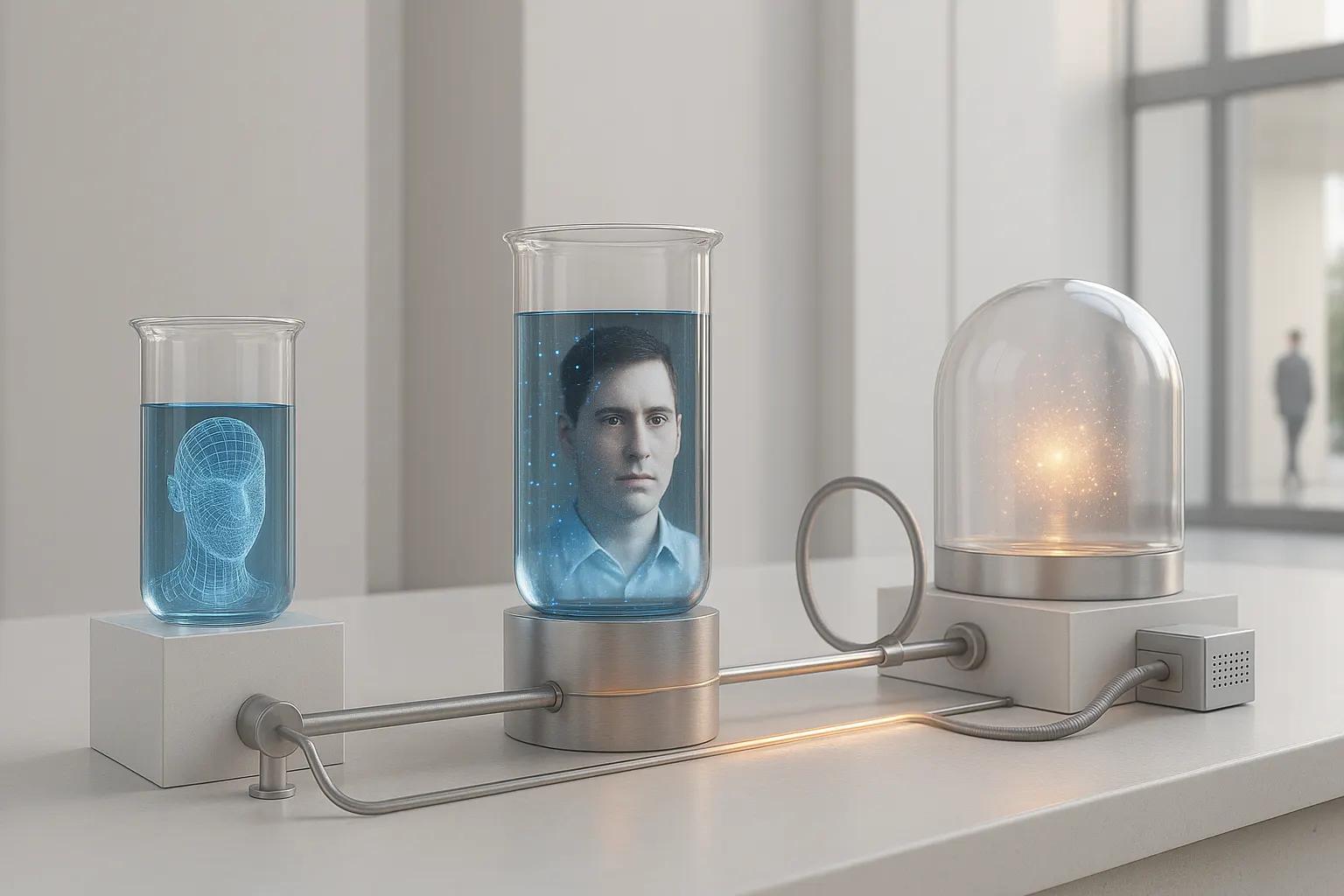
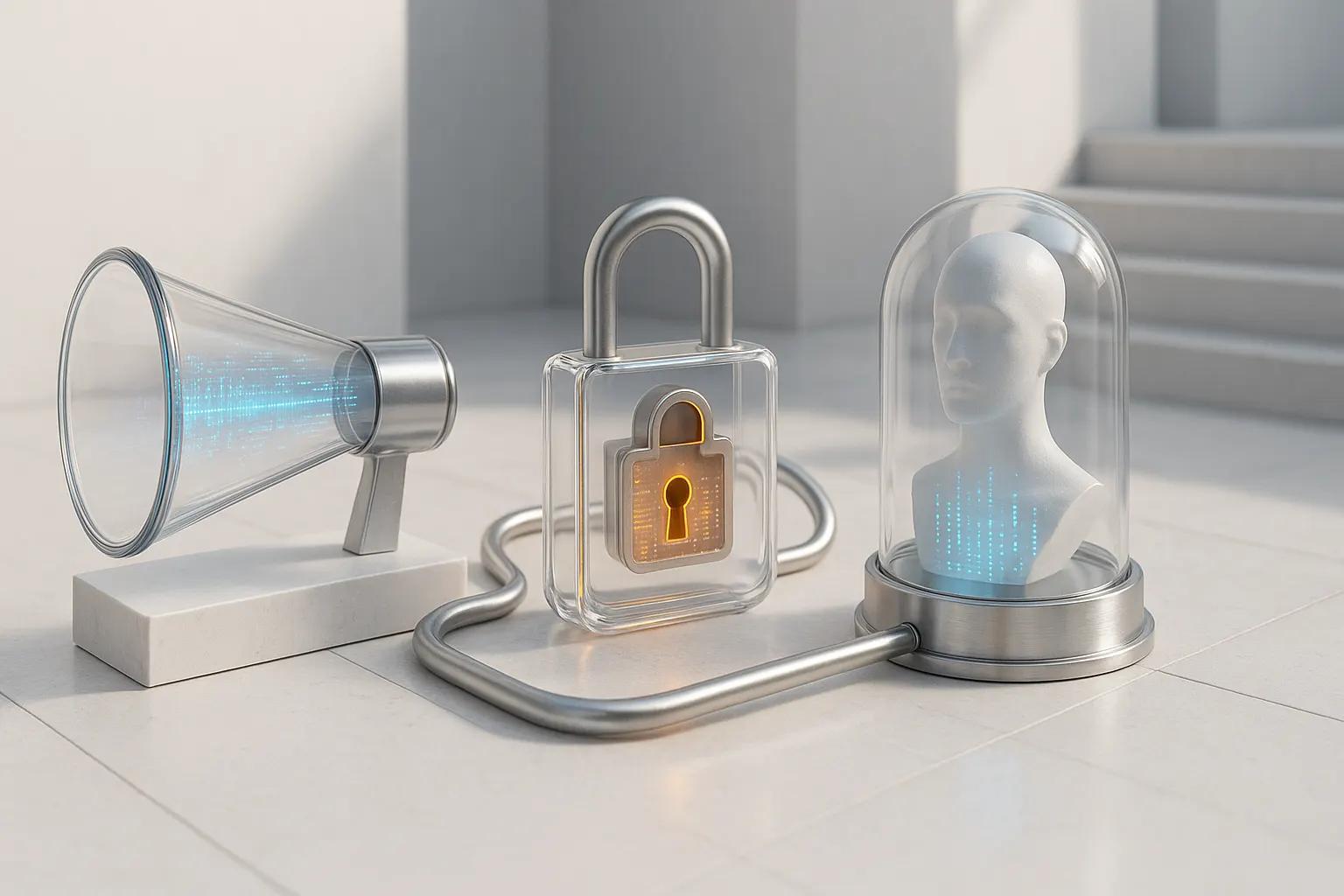
The useful question is therefore not whether a piece of media is a deepfake, but whether the person depicted agreed, whether the audience knows, and whether anyone is misled into acting against their interests. The examples below pass that test. Each uses the same face-swap, reenactment or voice-cloning techniques that criminals use.

How Do Deepfakes Help People Who Have Lost Their Voice?
Voice cloning can give people back a version of their own voice. On 25 July 2024 Representative Jennifer Wexton of Virginia, whose speech had been taken by progressive supranuclear palsy, addressed the House of Representatives with a clone of her voice built by ElevenLabs from recordings of her earlier speeches, according to the Associated Press. She types on an iPad and the software speaks in her voice. It was reported to be the first House floor speech delivered with an AI-cloned voice. Before that, she had relied on a generic text-to-speech app.
The same approach supports people with motor neurone disease, throat cancer or other conditions that remove speech, particularly when recordings are banked before the voice is lost. The person whose voice is cloned is also the person using it, which is the strongest form of consent.
How Are Deepfakes Used in Campaigns, Education and Museums?
Public campaigns use synthesis to reach audiences in their own language. In 2019 the charity Malaria No More worked with Synthesia, the agency R/GA and David Beckham on a film in which malaria survivors speak through Beckham's face in nine languages. Beckham took part knowingly, and the voices belonged to the people affected by the disease.
Museums use reenactment to make history interactive. The Dalí Museum in St Petersburg, Florida, opened Dalí Lives on 11 May 2019, the artist's 115th birthday. The agency Goodby Silverstein & Partners trained a model on more than 6,000 frames of archival footage and mapped Dalí's face onto an actor, with dialogue drawn from his interviews, books and letters. The installation's 125 videos can combine in 190,512 ways, and it ends with the synthetic Dalí taking a selfie with visitors.
Training and education follow the same pattern: AI presenters for corporate courses in many languages, simulated patients or callers for medical and emergency drills, and historical recreations in classrooms, all labelled as synthetic.
| Use | Technique | Example | Safeguard |
|---|---|---|---|
| Voice restoration | Voice cloning | Rep. Jennifer Wexton's House speech, July 2024 | The speaker is the voice owner |
| Multilingual campaign | Face reenactment and voice mapping | Malaria No More with David Beckham, 2019 | Participant consent, public campaign |
| Museum experience | Face swap onto an actor | Dalí Lives, Dalí Museum, May 2019 | Clearly presented as a recreation |
| Training content | AI avatars and synthetic voices | Multilingual corporate courses | Labelled synthetic presenters |
| Film and dubbing | Lip-sync, de-ageing, voice synthesis | Localised releases and visual effects | Actor contracts and credits |
How Do Film and Entertainment Use Deepfake Techniques?
Film production uses the same tools for dubbing, de-ageing and visual effects. Lip-sync models can adjust an actor's mouth to match a translated soundtrack, so a film reads naturally in other languages. Face synthesis can make an actor look younger in flashbacks or complete a scene when reshoots are impossible. The 2021 DHS paper Increasing Threats of Deepfake Identities notes that many applications of synthetic media are innocent entertainment, citing examples such as the Dalí installation.
Entertainment uses still raise consent questions, especially for performers who have died or whose likeness is reused beyond the original contract. Rules on digital replicas are changing quickly in several jurisdictions, so productions should check current performer agreements and law for each project.
Where Does a Good Use of a Deepfake Become Harmful?
The line is crossed when one of three conditions fails. Without consent, a face or voice is being taken; non-consensual intimate imagery is the clearest harm. Without disclosure, a viewer can be misled even if the person depicted agreed, as with a political advert that does not say a scene was generated. Without honest purpose, a disclosed tool becomes fraud, as in the Arup case of 2024, where deepfake recreations of colleagues on a video call led a Hong Kong employee to transfer HK$200 million.
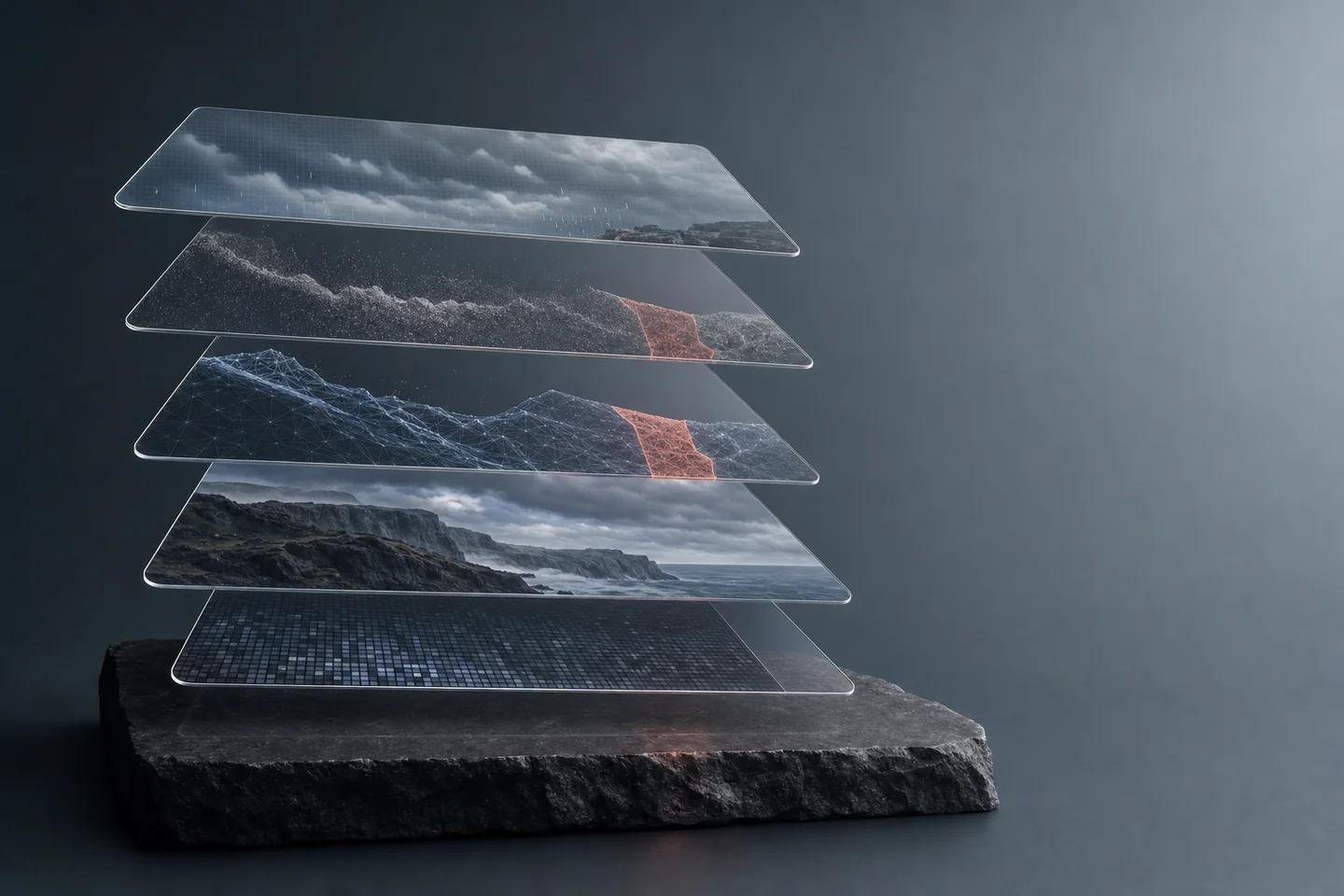
Good uses also create a side effect for defenders. The more synthetic media circulates legitimately, the more a detector will flag content that is synthetic but permitted, such as a bank's own AI avatar or an insurer's illustrative images. A positive detection result answers whether content is synthetic. Whether it is acceptable is a policy decision based on consent, disclosure and context.
How Does Neural Defend Handle Legitimate Synthetic Media?
Neural Defend's products separate detection from decision. NeuroVerify returns one unified risk score with signal-level evidence from six signals, including AI Generative Model Analysis, AI Pixel-Level Manipulation and AI Content Compliance, and leaves the action to the customer's policy. A platform that permits labelled AI avatars but forbids synthetic selfies at onboarding can apply different rules to each workflow using the same signals.
NeuroDetect supports the cases where intent and consent are disputed, such as a creator claiming a video of them was made without permission. An analyst uploads the authorized file into a case, sees heatmaps and frame-level evidence of what was synthesised, and exports a forensic report with observations, uncertainty and provenance that can support a takedown request or complaint. Both run on ARCAS 1B, Neural Defend's own detection model.
Evidence boundary
Limitations
- Detection can show that media is synthetic; it cannot show whether the person depicted consented or whether the use was disclosed.
- Laws on digital replicas, likeness rights and disclosure differ by country and US state and are changing quickly.
- Vendor and agency descriptions of campaigns, such as the Malaria No More film, are self-reported and not independently audited.
Source record
Sources and references
- Associated Press (via FOX 5 DC)Virginia Rep. Jennifer Wexton delivers House speech with AI-cloned voicePublished July 25, 2024. Verified October 19, 2026.
- SynthesiaCase study: David Beckham, Malaria No More and R/GAVerified October 19, 2026.
- DezeenDeepfake Salvador Dalí takes selfies with museum visitorsPublished May 24, 2019. Verified October 19, 2026.
- National Institute of Standards and TechnologyReducing Risks Posed by Synthetic Content (NIST AI 100-4)Verified October 19, 2026.
- Future of Life Institute (EU AI Act Explorer)EU AI Act Article 50: Transparency ObligationsVerified October 19, 2026.
- U.S. Department of Homeland SecurityIncreasing Threats of Deepfake IdentitiesVerified October 19, 2026.
- CNNArup revealed as victim of $25 million deepfake scam involving Hong Kong employeePublished May 16, 2024. Verified October 19, 2026.