What was the Biden deepfake robocall in New Hampshire?
On Sunday 21 January 2024, two days before New Hampshire's presidential primary, thousands of likely Democratic voters received a prerecorded call. A voice that sounded like President Biden told listeners it was important to save their vote for the November election and that voting that Tuesday would only help Republicans. All but the last sentence of the message was spoken in the synthetic voice.
The caller ID showed a number subscribed to by the spouse of a former New Hampshire Democratic Party chair, who was then running a write-in campaign for Biden. Neither of them was involved. The message worked directly against their campaign, and the FCC later found that spoofing their number was intended to harm them as well as to mislead voters.
The FCC's order cites reporting that the voice was produced with a commercial text-to-speech engine and that a New Orleans magician said he made the recording at a political consultant's request. Steve Kramer, the consultant, later admitted commissioning the calls.

What did the FCC order find, and how was the $6 million calculated?
Forfeiture Order FCC 24-104 was adopted on 26 September and released on 30 September 2024. It found that Kramer knowingly caused thousands of prerecorded voice robocalls to be transmitted with misleading and inaccurate caller ID, with intent to defraud and cause harm, in violation of the Truth in Caller ID Act of 2009 and section 64.1604 of the FCC's rules. The Commission had proposed the same amount in a Notice of Apparent Liability on 23 May 2024; Kramer confirmed receipt but did not respond substantively.
The penalty used a base forfeiture of $1,000 per unlawful call, doubled through a 100% upward adjustment for the egregiousness of the violations. Commissioner Simington dissented. The order notes that a Truth in Caller ID violation does not depend on the content of a call, but that calls carrying AI voice-cloned messages with misleading caller ID can further show intent to defraud or cause harm.
How did the case unfold?
Regulatory, carrier and criminal proceedings ran in parallel and reached different outcomes. The table lists the dated steps from the FCC order and later reporting.
| Date | Event | Source |
|---|---|---|
| 21 January 2024 | 9,581 calls initiated through Life Corp. with the spoofed number; the last call placed at 7:12 p.m. | FCC 24-104, citing Life Corp.'s subpoena response |
| 8 February 2024 | FCC Declaratory Ruling 24-17 confirms AI-generated voices are artificial voices under the TCPA | FCC 24-17 |
| 23 May 2024 | FCC proposes a $6 million forfeiture against Kramer | FCC 24-104 |
| August 2024 | Lingo Telecom, the originating provider, agrees to pay $1 million | News reporting of the settlement |
| 30 September 2024 | FCC releases the $6 million Forfeiture Order | FCC 24-104 |
| 13 June 2025 | Belknap County jury acquits Kramer of 11 felony voter-suppression counts and 11 counts of impersonating a candidate | NEPM reporting |
Why did call records matter more than the audio?
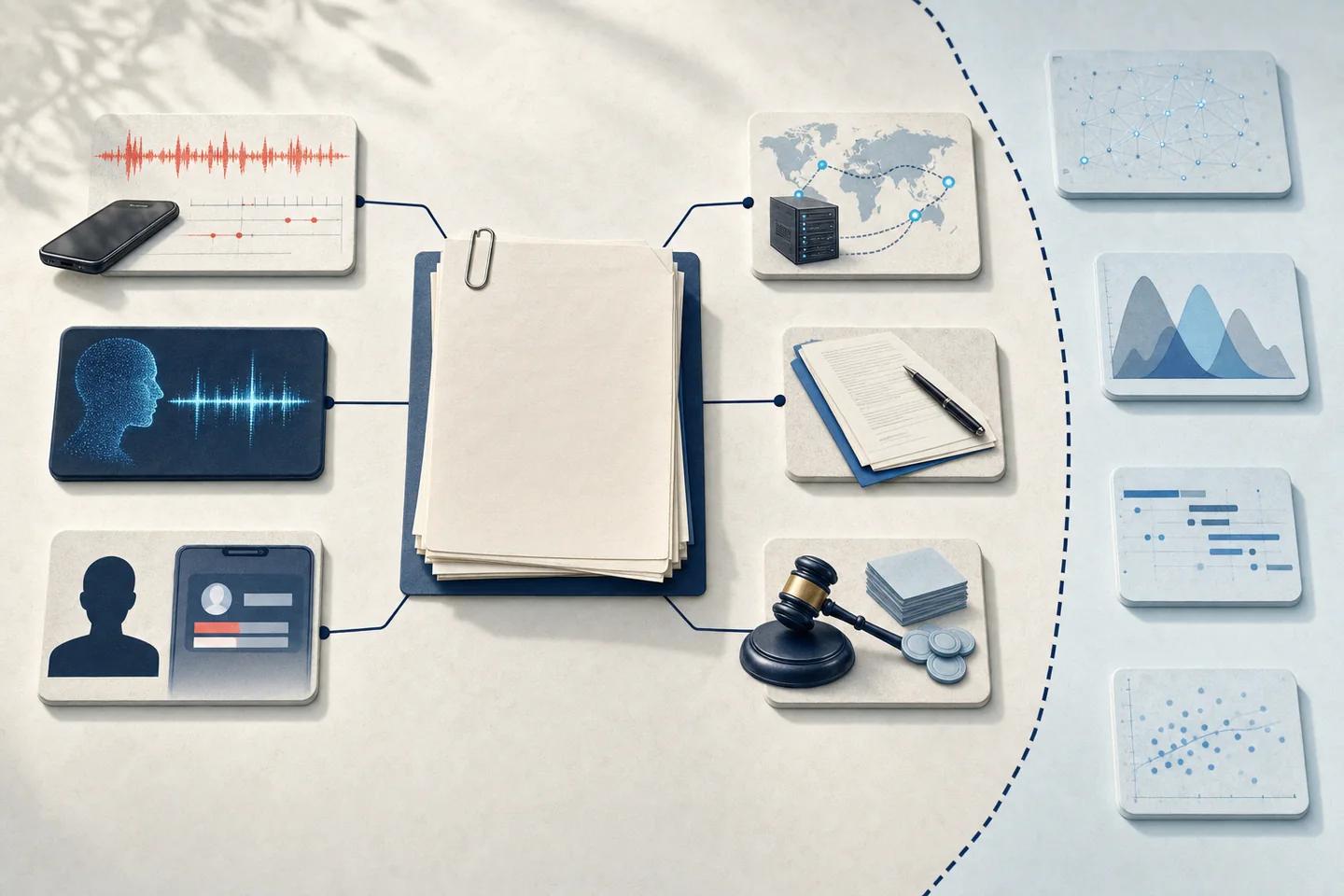
The FCC's Enforcement Bureau worked with the New Hampshire Attorney General, a 51-member task force of state attorneys general and the Industry Traceback Group. Tracing showed Lingo Telecom as the originating provider; Lingo identified Life Corp. as the party that sent it the calls; Life Corp. pointed to Voice Broadcasting, which had worked for Kramer. Each hop produced records with times, numbers and customers. That chain, not an analysis of the voice, established who was responsible.
The jury acquittal shows the limit of evidence in the other direction. Kramer admitted making the calls and said he wanted to warn the public about AI. The criminal charges required proof of intent under New Hampshire election law, and the jury did not find it. Knowing that a voice is synthetic, and even knowing who commissioned it, did not settle the legal question.
For an enterprise the practical lesson is to keep both kinds of evidence. Call detail records, caller ID data and carrier tickets answer who and how. The audio answers what was said and whether the voice was likely synthetic. An incident file that holds only one of the two will leave investigators, regulators or a court with half the picture.
What should campaigns, carriers and contact centres learn from it?
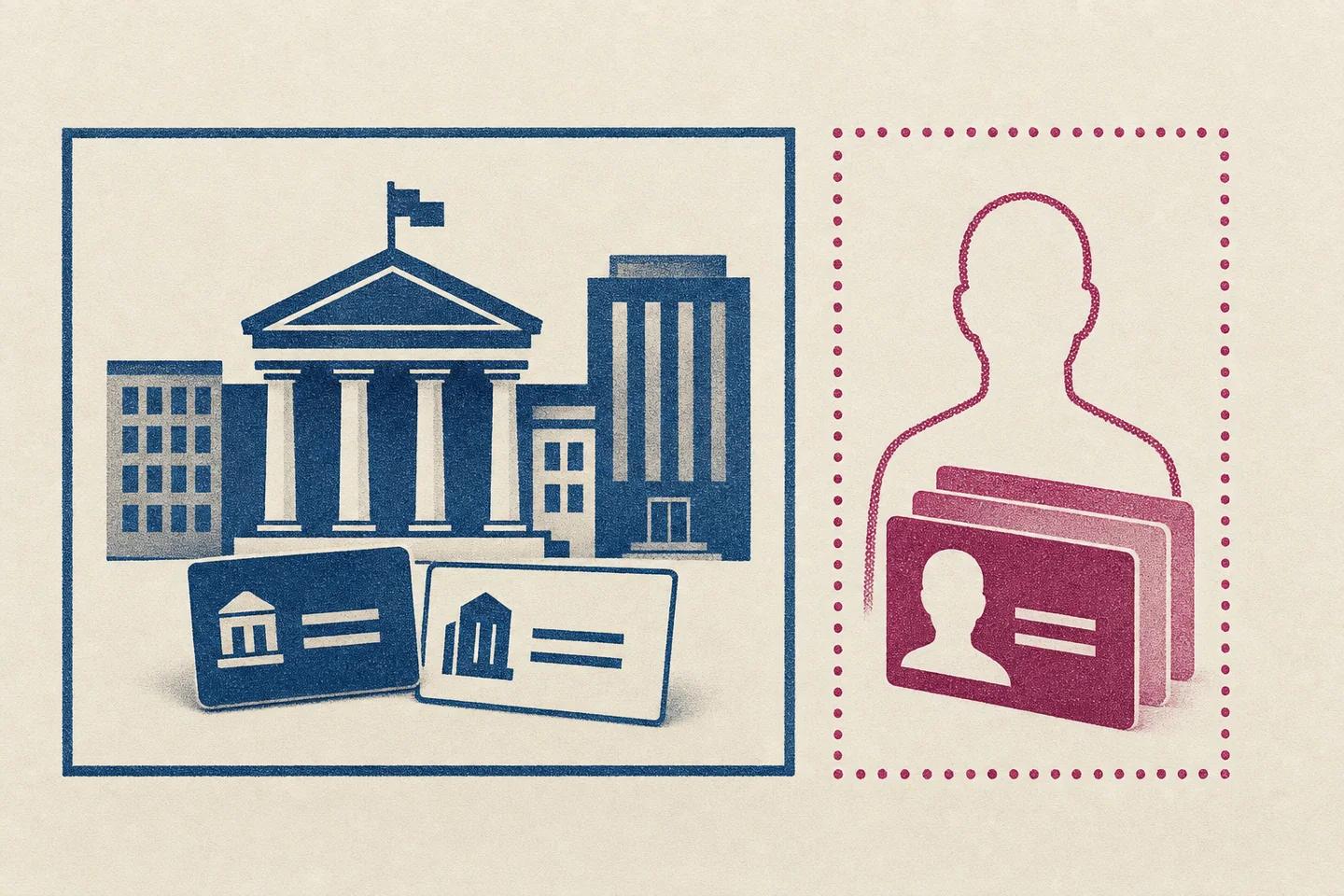
The same pattern of a familiar voice, a spoofed number and an urgent instruction is used against banks and their customers every day. The controls that would have shortened this incident are mostly procedural, with detection as one layer.
- Carriers: authenticate caller ID and know the customers who originate traffic, because the originating provider is where spoofed campaigns enter the network.
- Campaigns and public bodies: publish a channel for reporting suspicious calls and answer quickly with a correction from a known account.
- Contact centres: never treat a recognised voice as proof of identity; confirm high-risk requests through a callback to a number on file.
- Everyone: preserve the audio, caller ID and timestamps of a suspicious call before it is forwarded or re-recorded.
Where voice deepfake detection fits
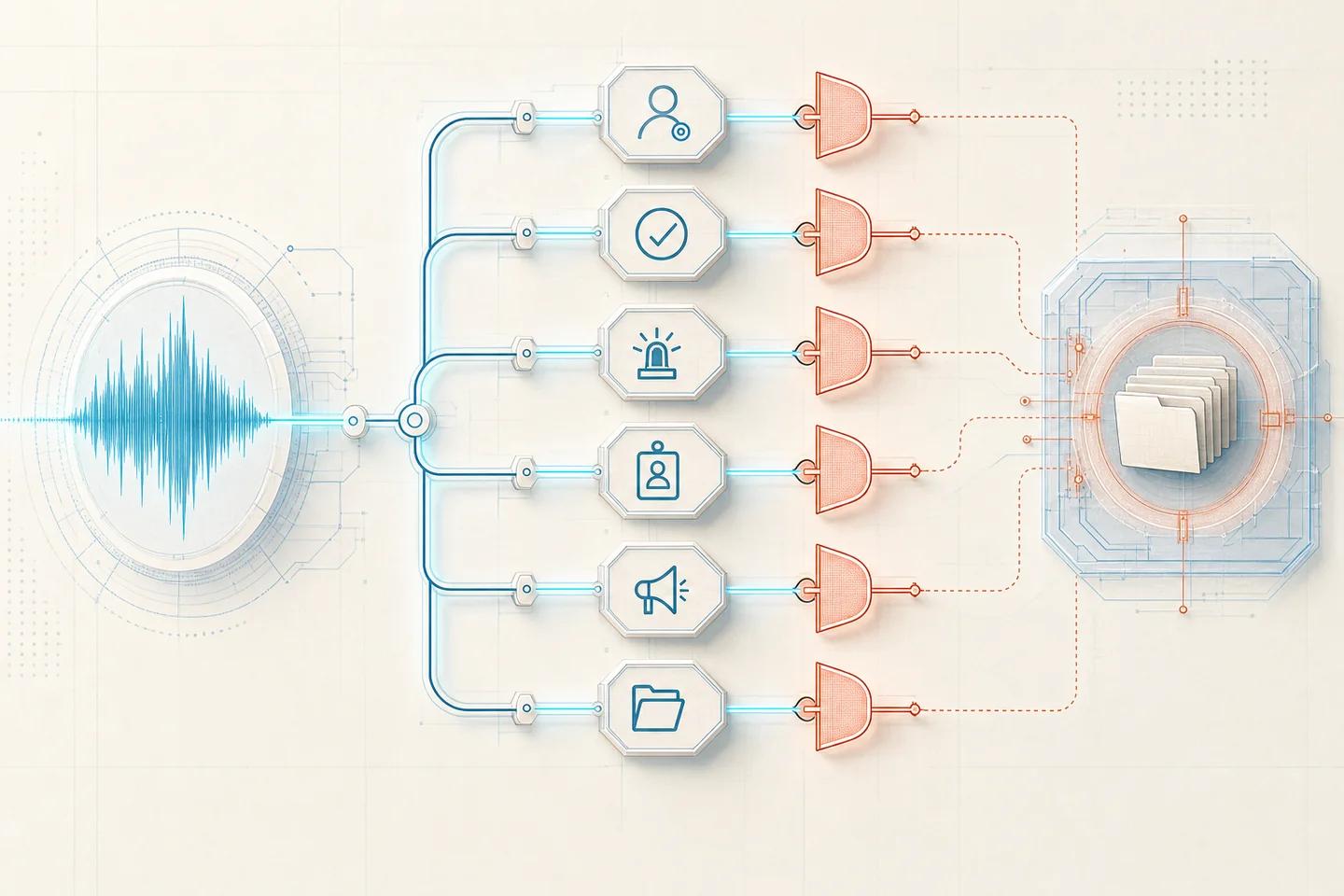
Detection is most useful before anyone acts on a call. NeuroCall, Neural Defend's voice and call deepfake detection product, is in Beta and is designed to flag synthetic speech during or after a call so that an agent or workflow can pause, verify and escalate. For recorded audio that becomes evidence, NeuroDetect lets an analyst upload the file into a case, inspect the audio segments behind a finding and export a forensic report that keeps model version, uncertainty and analyst notes together.
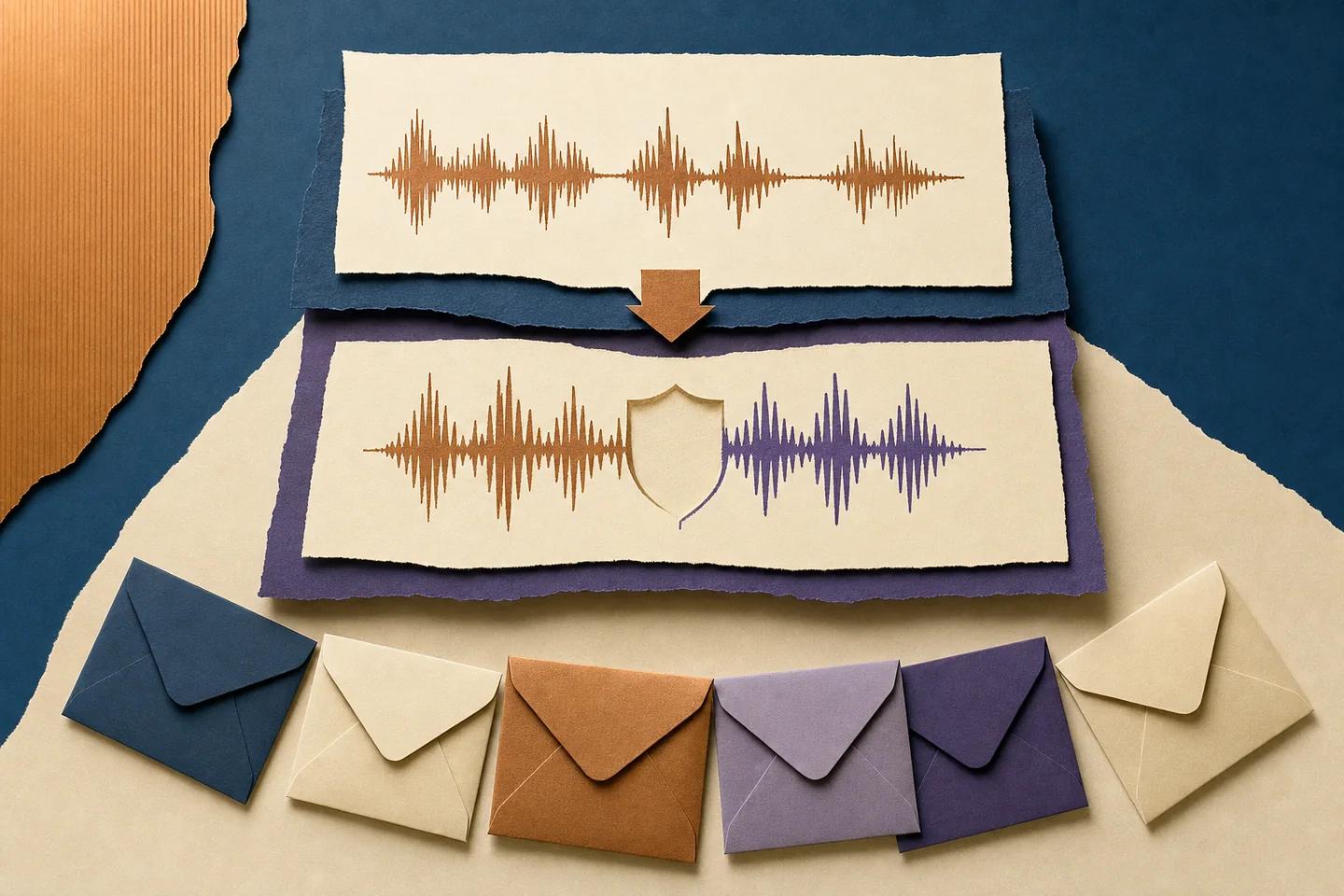
A detector could not have identified Kramer, proved the caller ID was spoofed or decided his intent. It could have helped a carrier, newsroom or election office confirm within minutes that the voice was likely synthetic, which is the point at which public warnings are most effective. Neural Defend's ARCAS 1B model underpins its products, and its deployment options include managed cloud, private cloud, on-premises and air-gapped installations for carriers and public bodies that cannot send call audio to a third party.
Evidence boundary
Limitations
- Call counts and the call path come from the FCC order's summary of subpoena responses; the underlying records are not public.
- The Lingo Telecom settlement and the jury verdict are drawn from news reporting rather than from court or FCC documents opened for this page.
- NeuroCall is in Beta and no Neural Defend product was used in this case; the detection discussion describes where such tools fit, not what they found.
- Detection accuracy on telephone audio depends on codec, compression and line quality, which vary widely across carriers.
Source record
Sources and references
- Federal Communications CommissionIn the Matter of Steve Kramer, Forfeiture Order FCC 24-104Published September 30, 2024. Verified October 19, 2026.
- Federal Communications CommissionFCC Issues $6M Fine for NH RobocallsPublished September 26, 2024. Verified August 7, 2026.
- Federal Communications CommissionFCC 24-17, Declaratory Ruling on AI-generated human voicesPublished February 8, 2024. Verified August 7, 2026.
- New England Public MediaPolitical operative behind fake Biden robocalls in NH primary found not guiltyPublished June 13, 2025. Verified October 19, 2026.