How deepfakes show up in the courtroom
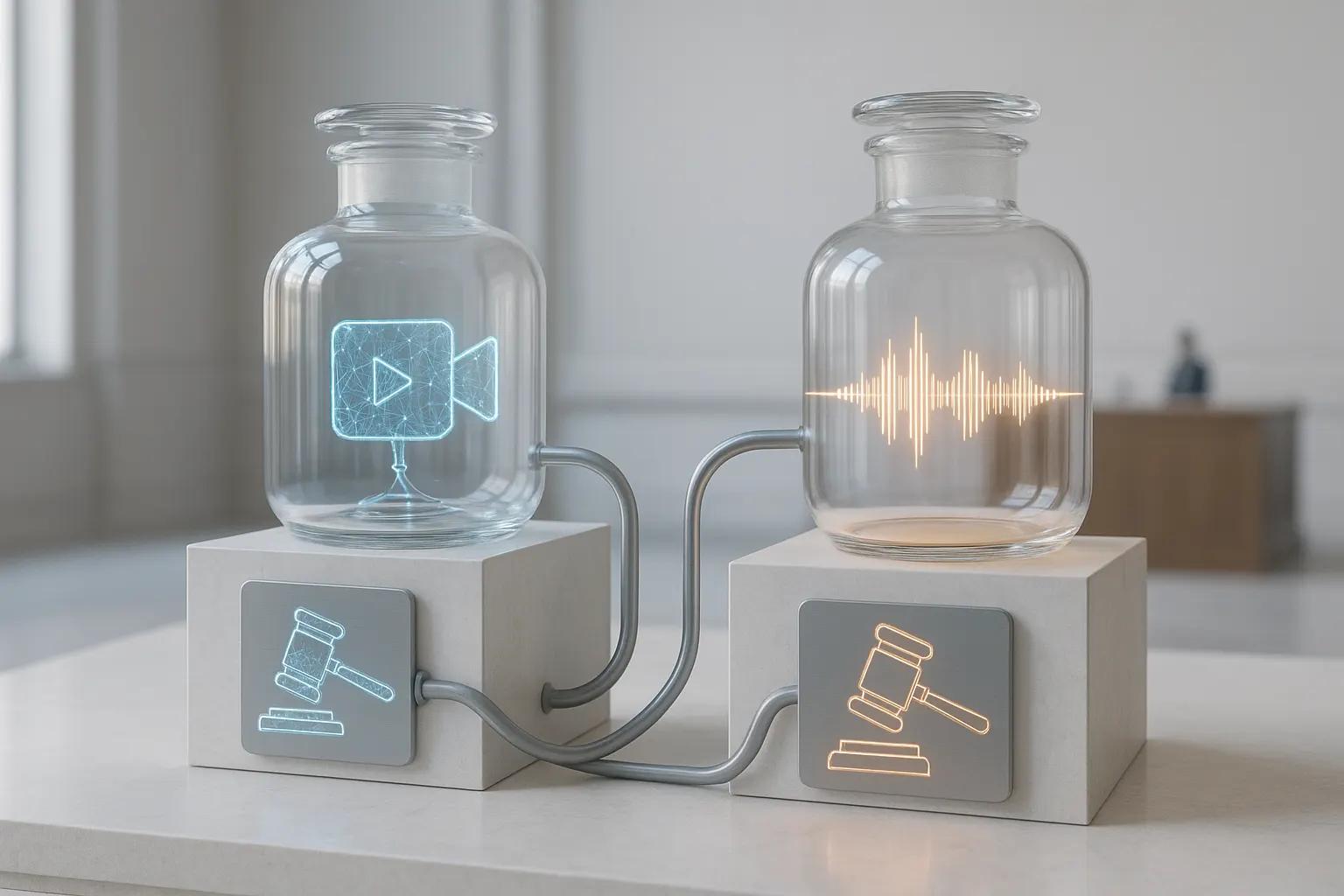
Deepfakes enter litigation in three ways. A party can submit fabricated media as evidence, such as a video of a witness saying something they never said or an altered photo of damage. A party can attack genuine evidence by claiming it is a deepfake, a tactic legal scholars call the liar's dividend. And a party can offer AI-processed media, such as an enhanced or upscaled clip, that is neither fully authentic nor deliberately fake but has been changed by a model.
Each problem pushes on a different rule. Fabrication and false claims of fabrication are authentication questions: is the item what its proponent says it is? AI-processed media and detection tools themselves raise reliability questions: does the method produce trustworthy output? US courts handle the first under Federal Rule of Evidence 901 and state equivalents, and the second under Rule 702 and the Daubert or Frye standards.
| Problem | Example | Main legal question |
|---|---|---|
| Fabricated evidence | AI-generated witness video submitted as genuine | Authentication (FRE 901) |
| Liar's dividend | Opponent claims a real recording is a deepfake | Authentication and burden of proof |
| AI-enhanced media | Upscaled bystander video offered at trial | Reliability (FRE 702, Frye or Daubert) |
| Detection output | A tool's finding that media was manipulated | Reliability of the method and the expert |
What courts have done with deepfake and AI-altered evidence
The clearest fabrication ruling so far came from the Superior Court of California, Alameda County. In Mendones v. Cushman & Wakefield, self-represented plaintiffs supported a summary judgment motion with exhibits that included video testimony attributed to a witness. In an order dated 9 September 2025, Judge Victoria Kolakowski found that two of those videos were AI-generated and did not show the actual witness. The court compared them with a genuine recording and pointed to differences in accent, cadence, word choice, pauses, gestures and facial expression. It imposed a terminating sanction under California Code of Civil Procedure section 128.7(b), ending the case, but declined to refer the plaintiffs for prosecution.
AI-processed media got similar scrutiny in State of Washington v. Puloka, a 2024 triple-murder prosecution. The defence wanted to show the jury a bystander's smartphone video enhanced with Topaz Video AI. The trial court applied the Frye test, defined the relevant community as forensic video analysts, and found the technique was not peer-reviewed, reproducible or generally accepted there. The state's expert testified that the enhancement added roughly 16 times the original pixels and introduced information absent from the source. The court also excluded it under the rule against unfair prejudice, noting the original video was available.
Did the US change its evidence rules for deepfakes?
Not yet. The federal Advisory Committee on Evidence Rules spent three years studying AI and identified two problems: machine-generated evidence that would need expert qualification if a human offered it, and audiovisual evidence that is not authentic because it is a hard-to-detect deepfake. For the first, it published proposed Rule 707 for public comment in 2025. The draft says that machine-generated evidence offered without an expert, which would fall under Rule 702 if a witness gave it, is admissible only if it meets Rule 702's reliability requirements. It drew more than 70 written comments and testimony in January 2026.
For deepfakes, the committee drafted a Rule 901(c) with a two-step test. The party alleging fabrication would first have to present enough evidence for a reasonable person to find the item was generated or altered by AI; a bare claim of deepfake would not be enough. The proponent would then have to show the item is more likely than not authentic, a higher bar than ordinary authentication. The committee's December 2025 report explained that the current standard may not be strict enough because deepfakes are cheap to make and hard for jurors to detect.
On 7 May 2026, the committee did not advance Rule 707 to the Standing Committee and declined to publish Rule 901(c) for comment, according to a Baker Botts update. Judges therefore continue to rely on existing Rules 901, 702 and 403, and on their discretion to hold hearings when authenticity is seriously challenged.
Is deepfake detection evidence admissible in court?
Deepfake detection evidence can be admitted in US courts, usually through a qualified expert witness, but it has to clear the same reliability test as any other forensic method. Under Rule 702 as amended in December 2023, the proponent must show it is more likely than not that the expert's testimony rests on sufficient facts, reliable methods, and a reliable application of those methods to the case. In Frye states, the method must be generally accepted in the relevant scientific community, the test that sank the AI-enhanced video in Puloka.
In practice, that means an expert should be ready to explain how the tool works, what data it was evaluated on, its known error rates, which model version produced the result, and how compression or re-encoding affects confidence. A raw score from an unexplained web tool is weak evidence. A documented analysis by an expert who can describe uncertainty and corroborate it with metadata, source history and witness accounts is much stronger.
- Name the tool, model and version used for each analysis.
- Cite published validation results and error rates, and explain how the case media differs from test data.
- Show the regions, frames or audio segments behind the finding, not just a score.
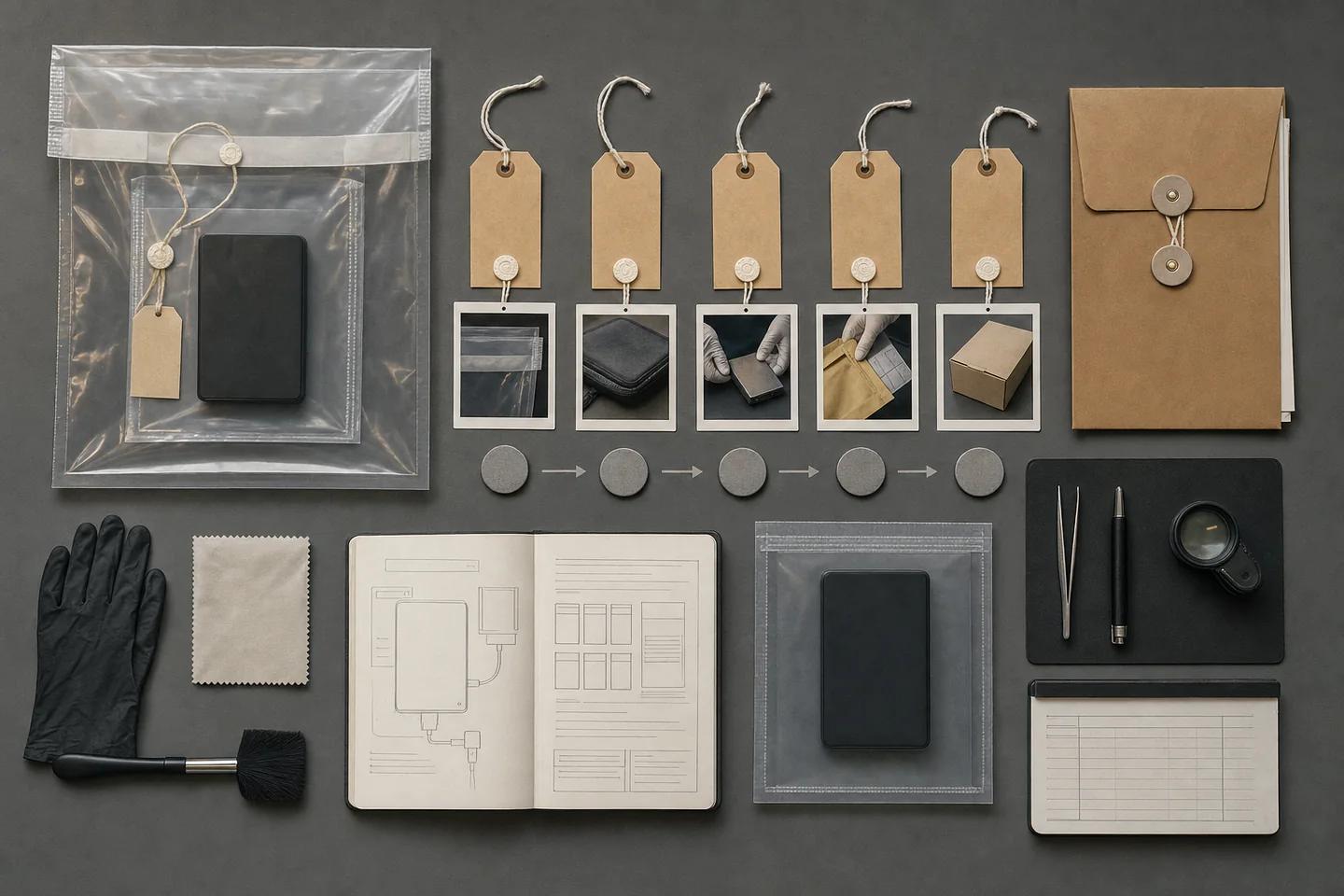
- Keep the original file, hashes and chain of custody intact from collection onward.
Practical steps for lawyers handling disputed media
Preserve originals early. Ask clients and third parties for native files with metadata rather than forwarded copies or screen recordings, and document who handled each file. Hash the files at collection so any later alteration can be shown.
Challenge or defend media with specifics. If you believe an opponent's recording is fabricated, bring concrete evidence, such as inconsistencies against a known genuine recording, missing source files or a forensic finding, because courts are wary of bare deepfake allegations. If your own recording is attacked, gather provenance: device data, upload history, platform records, and witnesses who were present. Retain a forensic examiner early enough to meet expert disclosure deadlines.
How NeuroDetect supports forensic examiners and legal teams
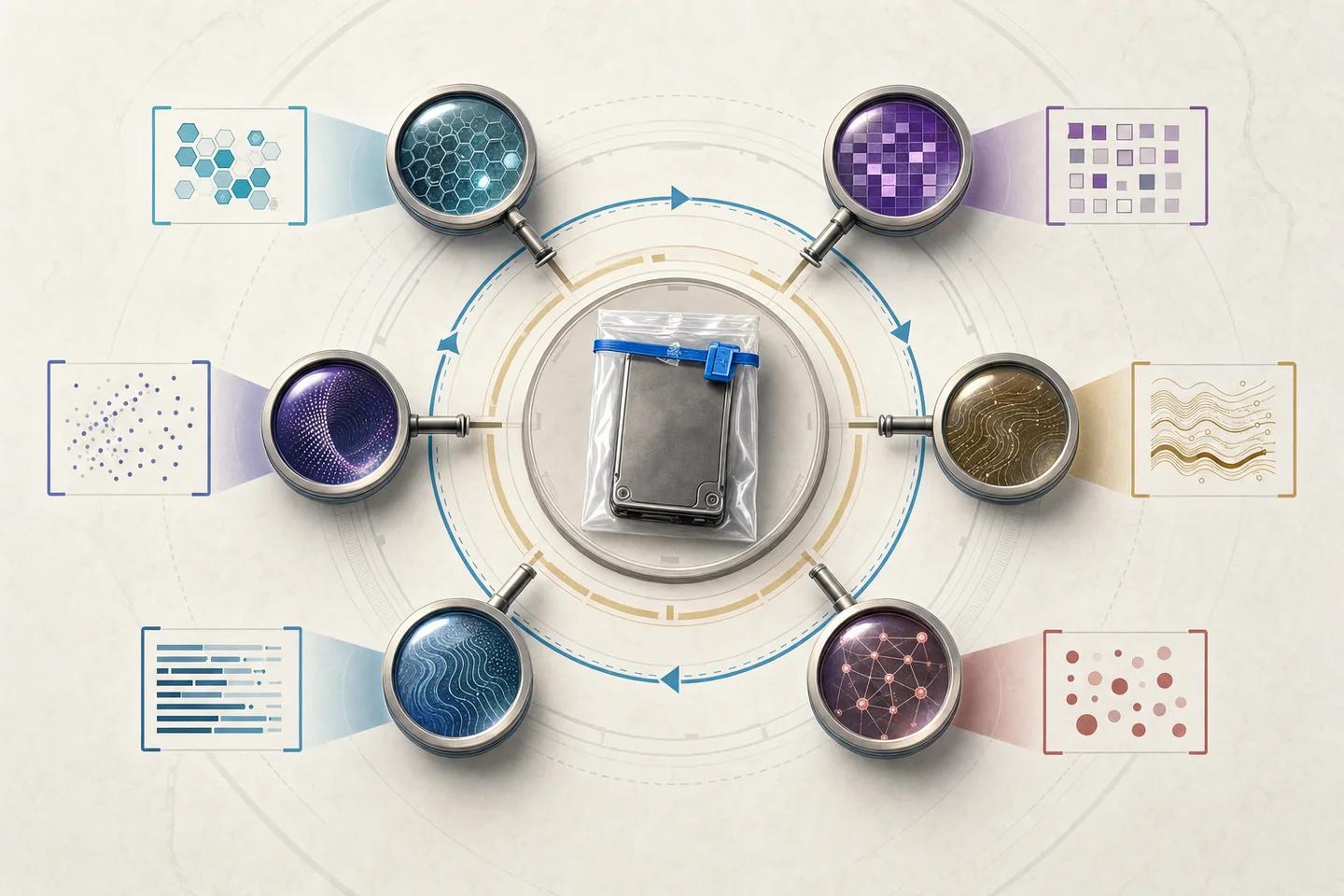
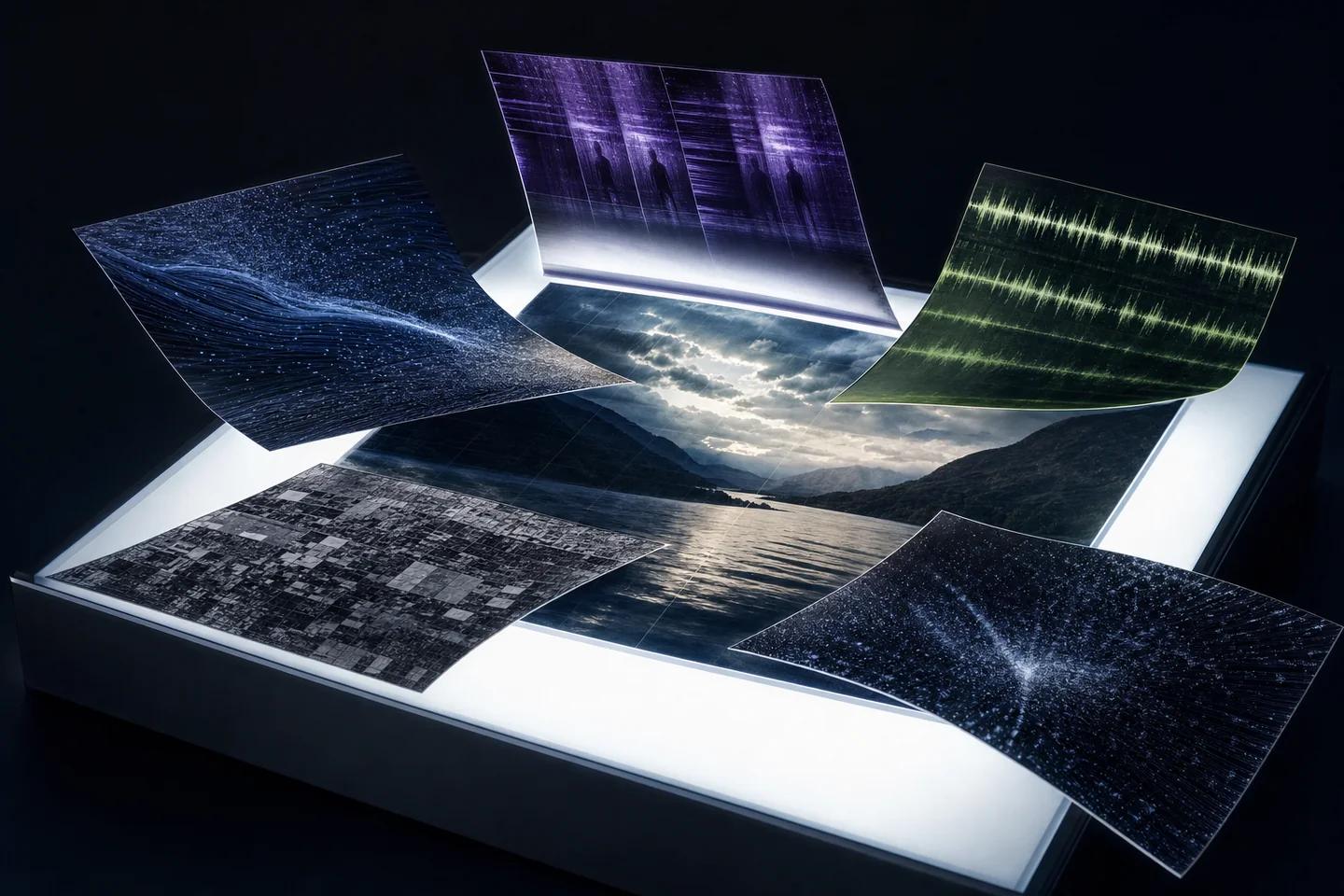
NeuroDetect is Neural Defend's forensic media workspace, built for the documentation that evidence work demands. An examiner uploads authorized image, audio, video or document files into a case. Each analysis keeps its model and version context, and detailed views, including explainability heatmaps and attention views, show the regions, frames and audio segments that drove a finding. An LLM-assisted summary describes the results in plain language with links back to the evidence, and the examiner makes the final call.
The downloadable forensic report records observations, uncertainty, provenance, model context and analyst notes, which maps onto what an expert must explain under Rule 702. Neural Defend publishes its error evidence: the ARCAS 1B paper reports pooled accuracy of 99.99% on GenImage and 97.65% on OpenFake, and on the public VendorBench-100 still-image benchmark Neural Defend ranked first of 36 systems with an MCC of 0.876. One VendorBench author also co-wrote the ARCAS paper, and the corpus and results are public so anyone can rerun them. Neither figure guarantees performance on a specific exhibit, which is why the examiner's own documented analysis matters.
Evidence boundary
Limitations
- This page focuses on US federal and state practice and is not legal advice; evidence rules differ across jurisdictions.
- The federal rule-making position is current as of the Advisory Committee's 7 May 2026 meeting and may change.
- Published benchmark results, including ARCAS and VendorBench-100, describe performance on specific datasets and do not establish accuracy on a particular exhibit.
- Detection is weaker on heavily compressed or re-recorded media, which is common in litigation.
Source record
Sources and references
- Administrative Office of the US CourtsReport of the Advisory Committee on Evidence Rules, December 1, 2025Published December 1, 2025. Verified October 19, 2026.
- Baker BottsFederal Evidence Rulemaking on AI Hits Pause: An EDVA UpdateVerified October 19, 2026.
- Reason, The Volokh ConspiracyCourt Throws Out Case After Finding Plaintiffs Submitted Deepfake Videos and Altered ImagesPublished September 25, 2025. Verified October 19, 2026.
- Greenberg TraurigWashington Court Rejects Novel Use of AI-Enhanced Video in TrialPublished May 23, 2024. Verified October 19, 2026.
- European CommissionTransparency obligations under Article 50 of the AI ActVerified August 8, 2026.
- arXivVendorBench-100: A Unified Cross-Paradigm Benchmark for Deepfake Image DetectionVerified August 8, 2026.
- arXivBenchmarking Neural Defend ARCAS 1B: A Foundational Multimodal Deepfake Detection ModelVerified August 8, 2026.