Identity Verification for Government Licensing Is Two Checks, Not One
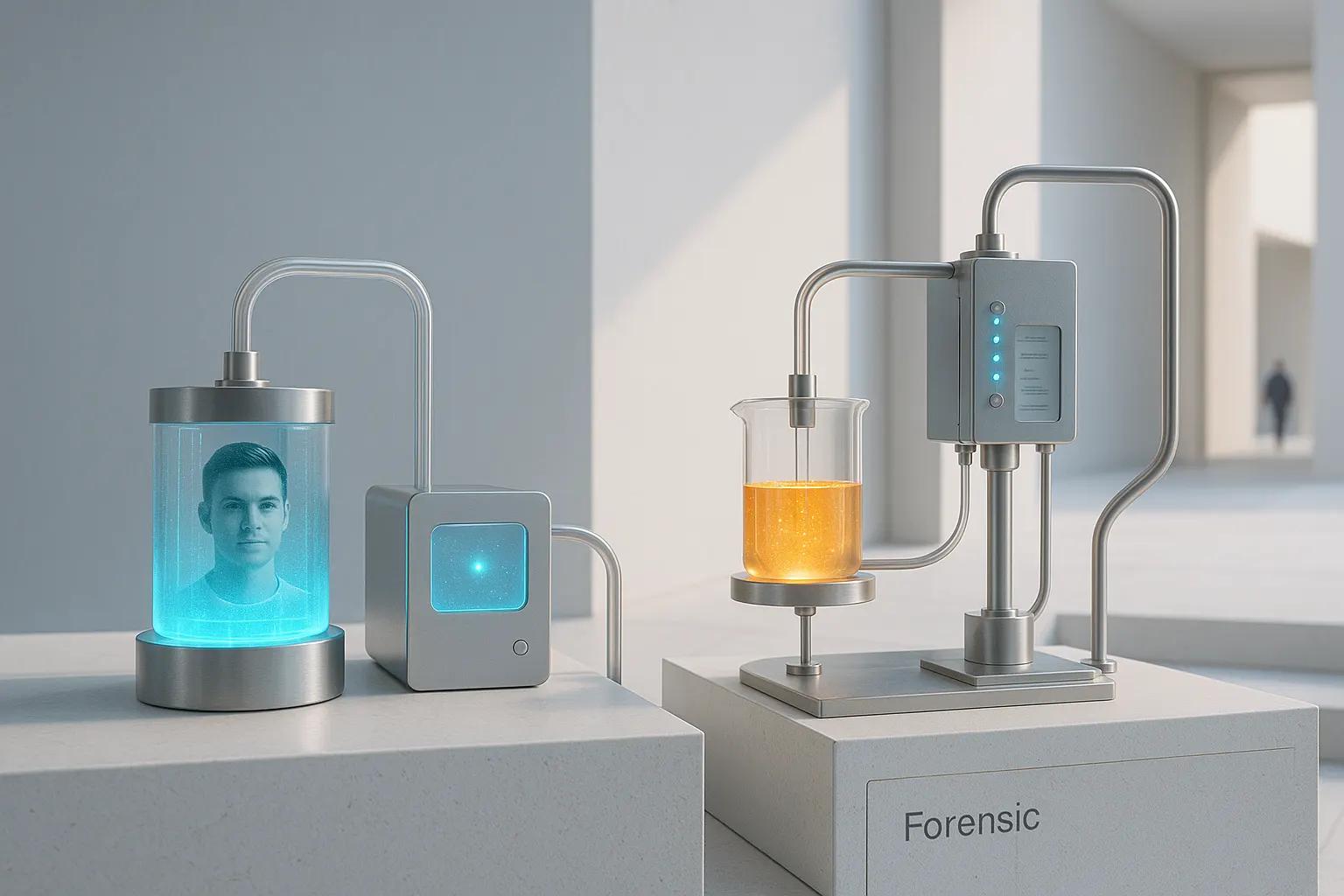
Every licence decision rests on identity and qualification. Identity asks whether the person applying, renewing or provisioning a credential is the person the record describes. Qualification asks whether that person passed the test, holds the degree or meets the medical standard the licence requires. The two fail in different ways, and a control built for one does nothing for the other.
Operation Nightingale shows the qualification side. In a release dated 15 September 2025, HHS-OIG described the scheme as an illegal licensing and employment shortcut for aspiring nurses: buyers obtained false diplomas and transcripts from Florida-based nursing schools and used them to qualify for the NCLEX board exam. Thirty defendants were charged and convicted in Phase I in 2023, and Phase II added charges against 12 more. No face check would have caught this, because the applicants were who they said they were. Only confirmation with the school or credential issuer would.
Deepfakes attack the identity side. When a licensing agency lets people renew online or add a licence to a phone wallet, the identity check usually becomes a selfie compared to the portrait on file. A generated or swapped face built to match that portrait can pass the comparison unless something checks the capture itself.
Why Mobile Licence Provisioning Is the Step to Protect
A mobile driver's licence (mDL) is a digital version of a state-issued licence held in a smartphone app or wallet. ISO/IEC 18013-5:2021 defines how an mDL is presented to and verified by a reader. Before any of that, the issuer has to decide that the person holding this phone is the licence holder. That provisioning decision is where remote identity proofing happens, and it is the moment a fraudster would target to put someone else's licence on their device.
Acceptance is growing. TSA announced on 24 October 2024 a final rule, effective 25 November 2024, that lets states apply for a temporary waiver of certain REAL ID requirements so their mDLs remain accepted at airport checkpoints and federal buildings after REAL ID enforcement began on 7 May 2025. TSA says it plans a later rulemaking with fuller mDL requirements once industry standards and federal guidelines are final. As more relying parties accept the mDL, a fraudulently provisioned one becomes more valuable.
The attack does not need a physical licence. An attacker with a victim's licence number and a photo scraped from social media can try to provision the credential by presenting a face swap or a generated video to the selfie step through a virtual camera.
| Event | What the agency must establish | Synthetic media risk | Control |
|---|---|---|---|
| Online licence renewal | The renewer is the existing licence holder | Generated selfie matched to the stored portrait | Manipulation and injection analysis before the portrait comparison |
| mDL provisioning to a phone | The device holder is the licence holder | Face swap or replay through a virtual camera | Genuine-sensor checks, fresh session-bound capture, manipulation analysis |
| Remote first-time application | Identity evidence is valid and belongs to the applicant | Synthetic selfie paired with a stolen or forged document | Document validation plus face media analysis and record checks |
| Professional licence application | Applicant holds the required qualification | Forged diplomas or AI-edited certificates | Primary-source confirmation with the school, exam body or issuing board |
Applying NIST SP 800-63A-4 to Remote Licence Transactions
NIST SP 800-63A-4, published in July 2025, is the clearest public reference for this step even where a state is not formally bound by it. Section 3.14 says injection attacks insert forged or modified media between the capture device and the comparison system, and that all types of remote proofing are exposed. It requires credential service providers to detect signs that media did not come from a genuine sensor, such as a virtual camera, emulator or jailbroken device, and to analyze all submitted media for manipulation or forgery.
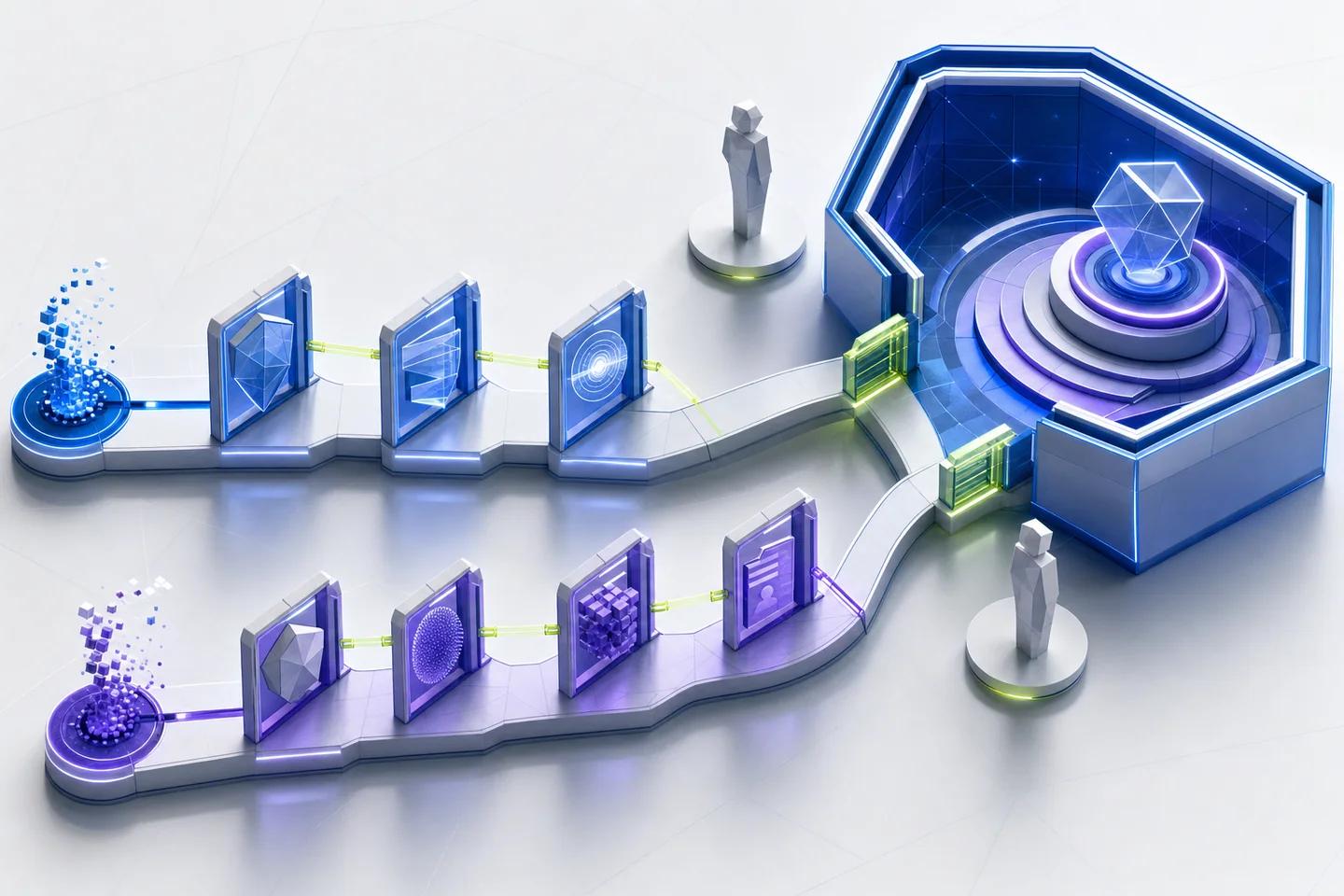
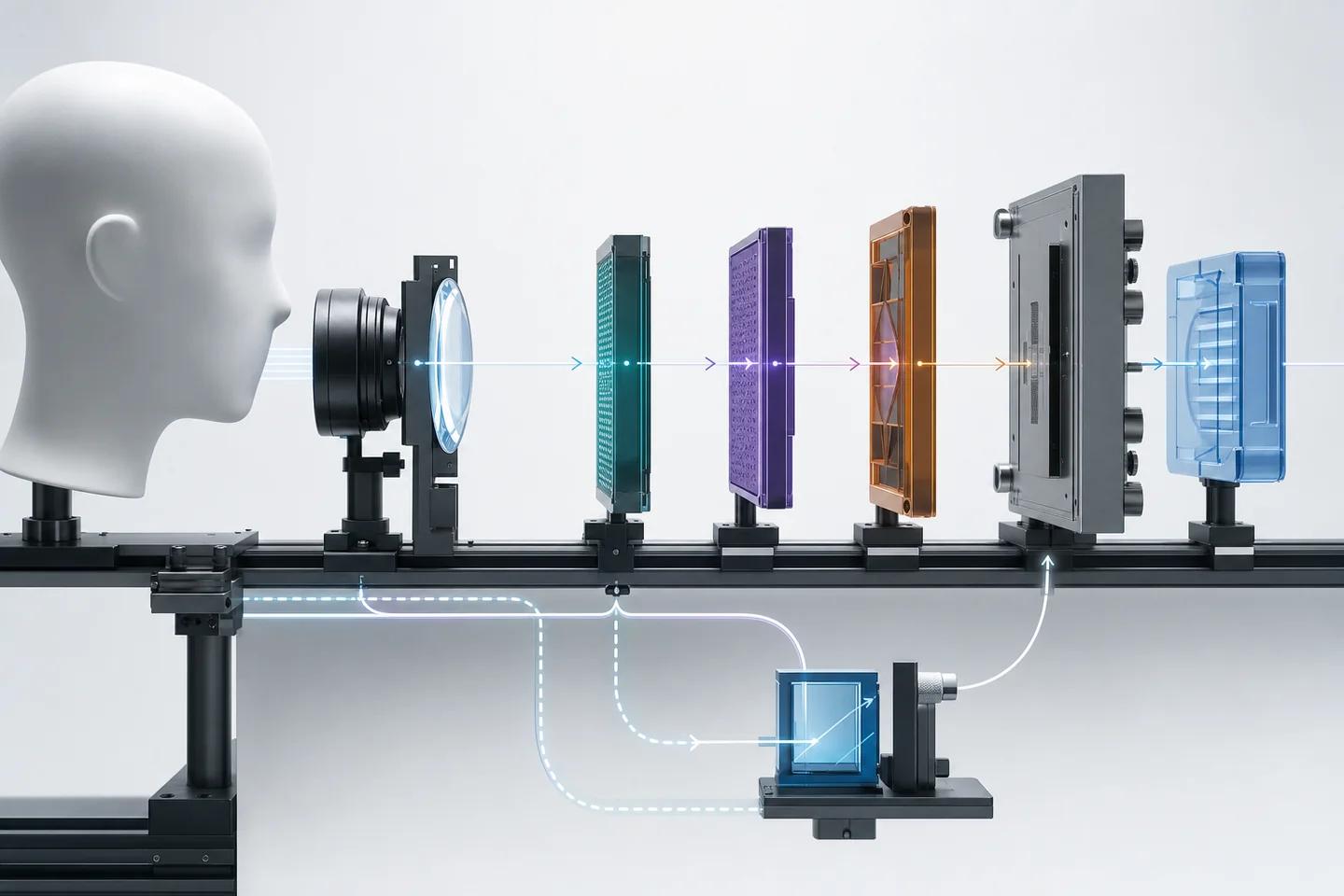
For the biometric step, Section 3.11 requires presentation attack detection for remote capture, tested to ISO/IEC 30107-3:2023 with an impostor attack presentation accept rate below 0.07. NIST is explicit that comparison alone does not stop injected media, and that PAD only raises the bar. Licensing agencies should therefore treat the selfie step as three checks: is the capture from a real sensor, does it show manipulation, and does the face match the record.
- Bind each capture to a single provisioning or renewal session and a short time window.
- Reject or route sessions with virtual camera, emulator or jailbreak signals before comparing faces.
- Run manipulation analysis on the selfie or video, then compare to the stored portrait.
- Send flagged cases to an in-person or attended option rather than ending the transaction.
- Log signals, model version and reviewer decision so a disputed licence can be reconstructed.
Where Deepfake Checks Help Licensing and Where They Stop
Face media analysis is strongest exactly where licensing has moved online: the unattended selfie or short video. It catches generated faces, face swaps, replays and pixel-level edits that a portrait comparison would accept. It does not validate a licence document, confirm a diploma, check a medical certificate or say whether the record itself was created fraudulently years ago.
Expect false alerts from older phones, poor lighting and heavy compression, and test before setting thresholds. Licence holders who fail the automated path need a branch or attended video option. Keep the issuing decision with licensing staff, using the detection result as one input.
How NeuroVerify Fits Licence Renewal and mDL Provisioning
NeuroVerify, Neural Defend's face, video and audio API, checks the provisioning or renewal selfie for deepfakes and manipulation beyond liveness. One request returns six signals: Visual Safety Screening, Live Presence Verification, Face Manipulation Detection, AI Generative Model Analysis, AI Pixel-Level Manipulation and AI Content Compliance, combined into one risk score with signal-level evidence. The agency's policy decides whether a session continues, retries or moves to an attended route.
Results arrive in under 200 ms at p95 on eligible image requests under defined test conditions, so the check fits inside a wallet provisioning flow. Android, iOS and Flutter SDKs cover the capture app, and backend SDKs cover Python, TypeScript, Go and Java. Agencies can run NeuroVerify as a managed cloud API, in a private cloud or VPC, as a secure container, on premises or air-gapped. Neural Defend ranked first of 36 systems on the public VendorBench-100 still-image benchmark (MCC 0.876 against 0.646 for the next-best vendor), a result that does not cover video or injection, so pilots should test the agency's own capture channel. NeuroVerify does not analyse ID documents.
Evidence boundary
Limitations
- Face media analysis confirms nothing about qualifications, medical fitness or the validity of a licence document.
- NeuroVerify does not analyse ID documents; document checks and issuer confirmation need separate components.
- VendorBench-100 is a still-image benchmark and does not measure video, injection resistance or mobile capture conditions.
- TSA's mDL waiver is temporary, and fuller federal mDL requirements may change provisioning expectations.
Source record
Sources and references
- National Institute of Standards and TechnologyNIST SP 800-63A-4, Digital Identity Guidelines: Identity Proofing and Enrollment (PDF)Published July 31, 2025. Verified October 19, 2026.
- Transportation Security AdministrationTSA announces final rule that enables the continued acceptance of mobile driver's licenses at airport security checkpoints and federal buildingsPublished October 24, 2024. Verified October 19, 2026.
- International Organization for StandardizationISO/IEC 18013-5:2021 Personal identification, ISO-compliant driving licence, Part 5: Mobile driving licence (mDL) applicationPublished September 1, 2021. Verified October 19, 2026.
- U.S. Department of Health and Human Services Office of Inspector GeneralFraud Charges Filed Against 12 Defendants in Phase II of Operation NightingalePublished September 15, 2025. Verified October 19, 2026.
- Transportation Security AdministrationDigital IDVerified October 19, 2026.