
How Do Fraudsters Abuse Digital Wallet Enrollment?
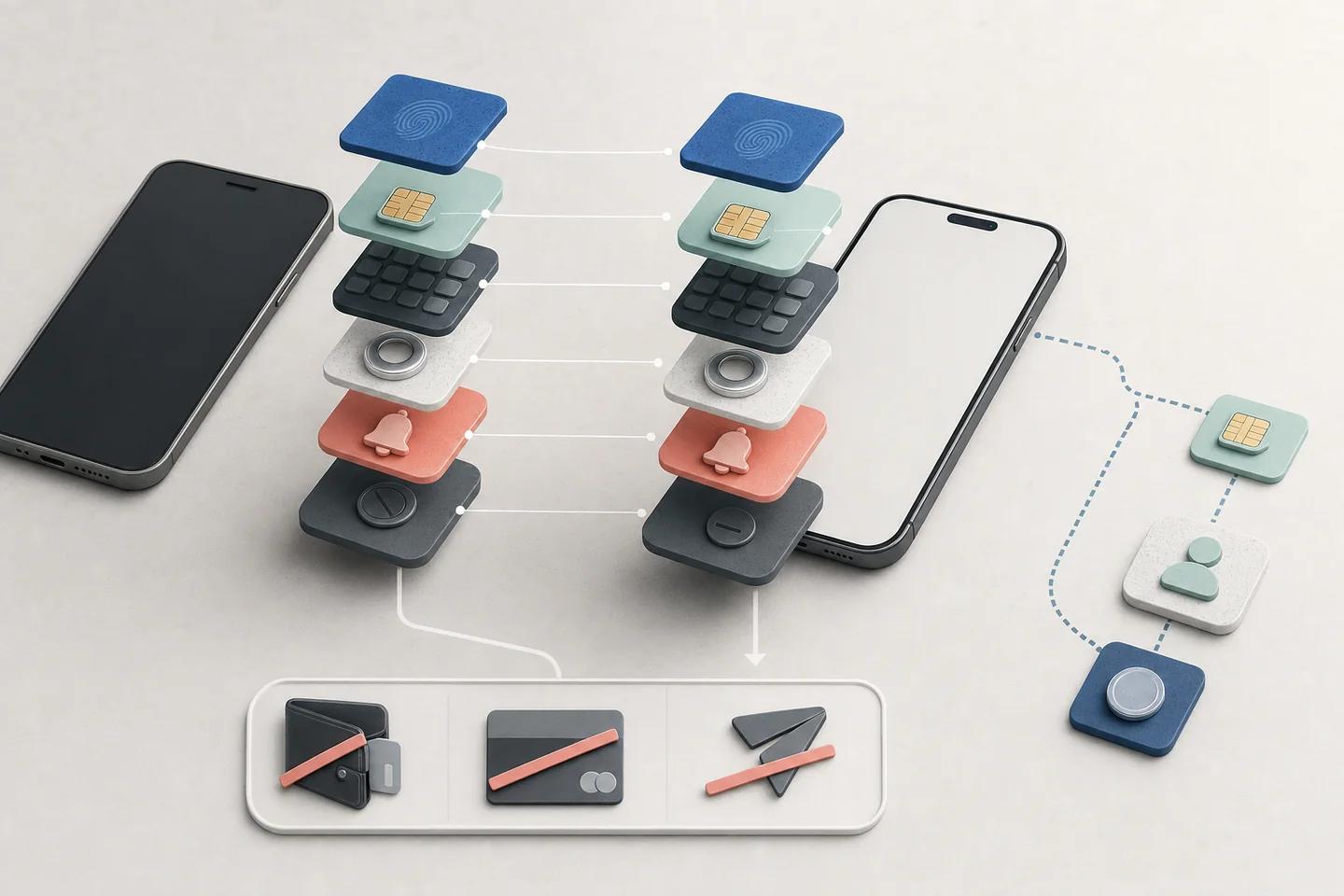
Card provisioning turns stolen card details into a phone-based payment credential. Under EMV payment tokenisation, the wallet receives a token in place of the card number, and EMVCo notes that tokens are constrained to a specific merchant, device or payment scenario. That restriction protects the card number, but if the token is bound to the fraudster's phone, the fraudster can tap to pay in shops with a card they never physically held.
Issuers decide at provisioning whether to approve silently, ask for extra verification, or decline. The usual extra step is a one-time code sent by SMS to the phone on file. Phishing kits now ask victims for exactly that code, often while impersonating the bank, and SIM swaps move the code to the attacker directly. Either way, the code arrives and the token is issued to the wrong device.
Stand-alone wallets and prepaid accounts face the same problem at sign-up and at recovery. FinCEN's November 2024 alert FIN-2024-Alert004 describes accounts opened with GenAI-altered identity documents and used to receive and launder proceeds of scams, and wallets with light onboarding are a natural target.
Digital Wallet Enrollment and Recovery Security by Risk Tier
Not every provisioning request needs friction. A card added to a wallet on the device where the bank's own app is already bound and in use is low risk. A card added to a phone the bank has never seen, minutes after a password reset or phone number change, is high risk. Tiering lets issuers keep the low-friction path for the first case and reserve stronger checks for the second.
The stronger checks should not lean on the channel the attacker is most likely to control. In-app verification in the bank's own app, on a device bound earlier, is the best option when available. When it is not, a selfie or short video compared with the onboarding record is the next best, provided it is screened for manipulation.
| Situation | Risk | Verification | Afterwards |
|---|---|---|---|
| Card added on a device where the bank app is bound and active | Low | Silent approval | Notification to the cardholder |
| New device, no recent account changes | Medium | Approval in the bank app on the bound device | Notification on all channels |
| New device after a reset, phone change or SIM swap | High | Deepfake-screened selfie compared with onboarding record; avoid SMS | Lower token limits for a period |
| Multiple cards provisioned to one device, or one card to many devices | High | Decline or manual review | Investigate linked accounts |
Why Is Wallet Recovery on a New Phone So Risky?
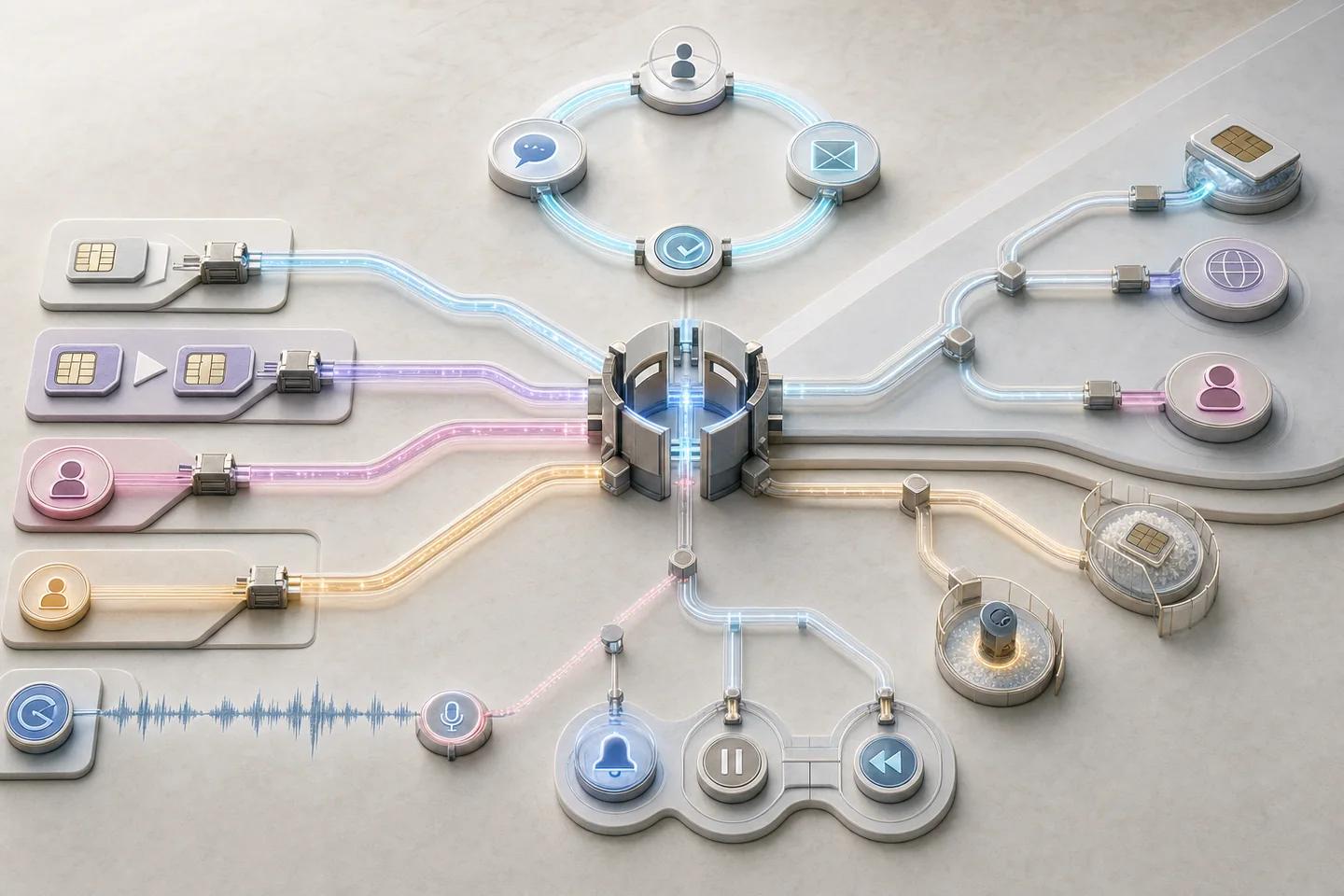
Because recovery hands the whole balance and every provisioned card to whoever passes it. A customer who loses a phone needs to restore their wallet on a new one; an attacker who wants the wallet makes the same request. If the recovery path is an SMS code to the registered number, a SIM swap is enough. NIST SP 800-63B-4, finalised in July 2025, treats setting or changing a pre-registered telephone number as binding a new authenticator, and US carriers have had to authenticate customers and notify them before SIM changes since the FCC's order FCC 23-95.
Cooling periods limit the damage when recovery is abused. The Reserve Bank of India's Master Directions for non-bank payment system operators, dated 30 July 2024, require at least 12 hours with no online payment transactions after a change of registered mobile number or email. Wallet providers outside India can apply the same idea by policy to transfers out, new payees and card provisioning after a recovery.
- Check SIM change and port-out signals before trusting SMS for recovery.
- Use a second bound device or in-app approval where the customer has one.
- Fall back to a selfie or video re-verification captured in your SDK and screened for deepfakes.
- Notify the old device and registered email that the wallet is being restored elsewhere.
- Limit outbound transfers and new provisioning for a cooling period after recovery.
Where Deepfakes Enter Wallet Verification
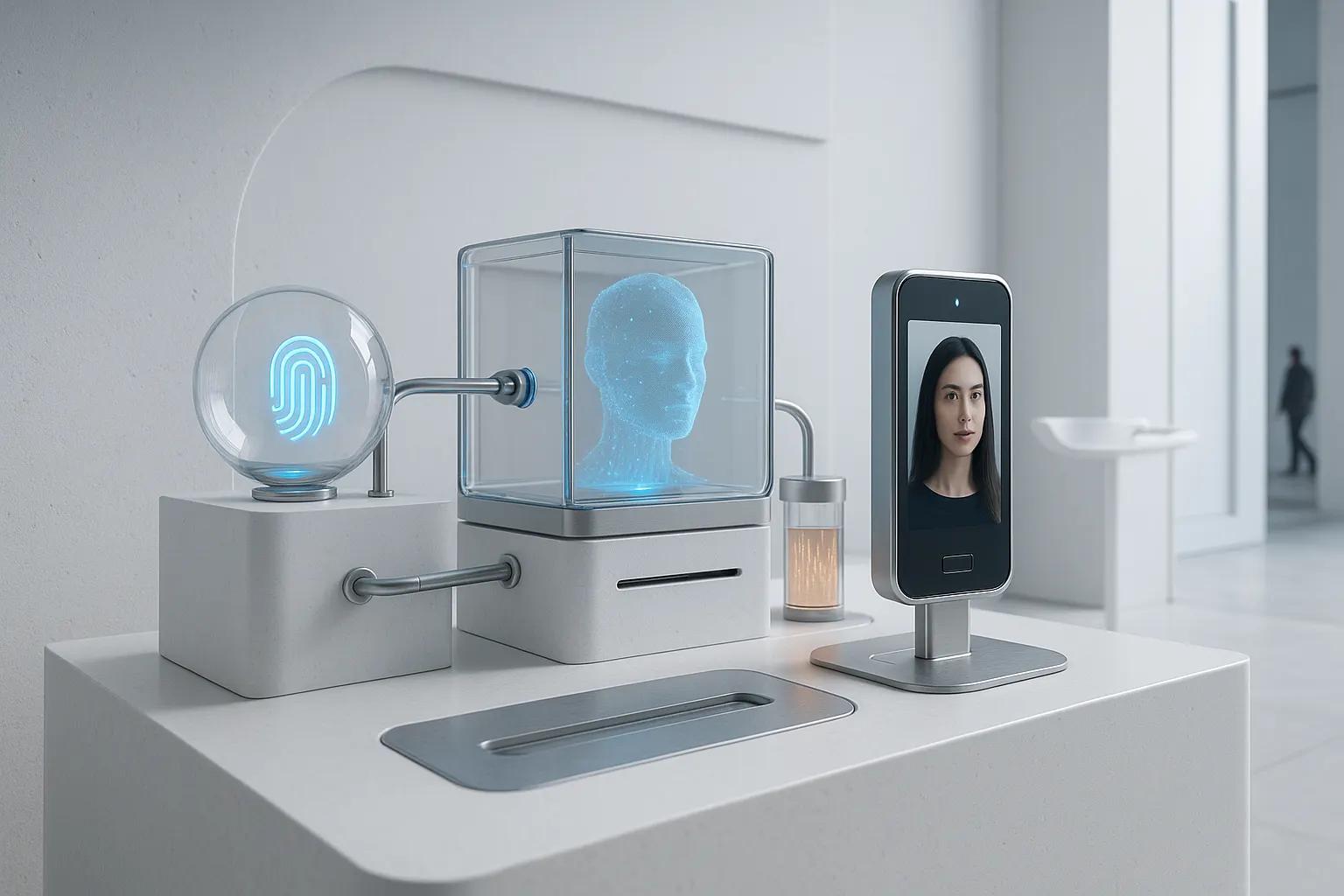
As issuers replace SMS with selfie checks, attackers follow. FinCEN's alert lists third-party webcam plugins during live verification, and photos or video flagged by deepfake detection software, as red flags. The FBI's PSA I-120324 (3 December 2024) warns that criminals use generative AI to produce convincing images and video for identity fraud. On a phone the attacker controls, the camera feed can be swapped for a virtual camera playing a face swap made from the victim's public photos.
A selfie step-up therefore needs checks on the image itself (face manipulation, generative artefacts, pixel-level edits) and on how it was captured. Capturing inside the issuer's or wallet's own SDK, with device integrity checks, makes injection harder than accepting an upload.
How Neural Defend NeuroVerify Supports Wallet Step-Up
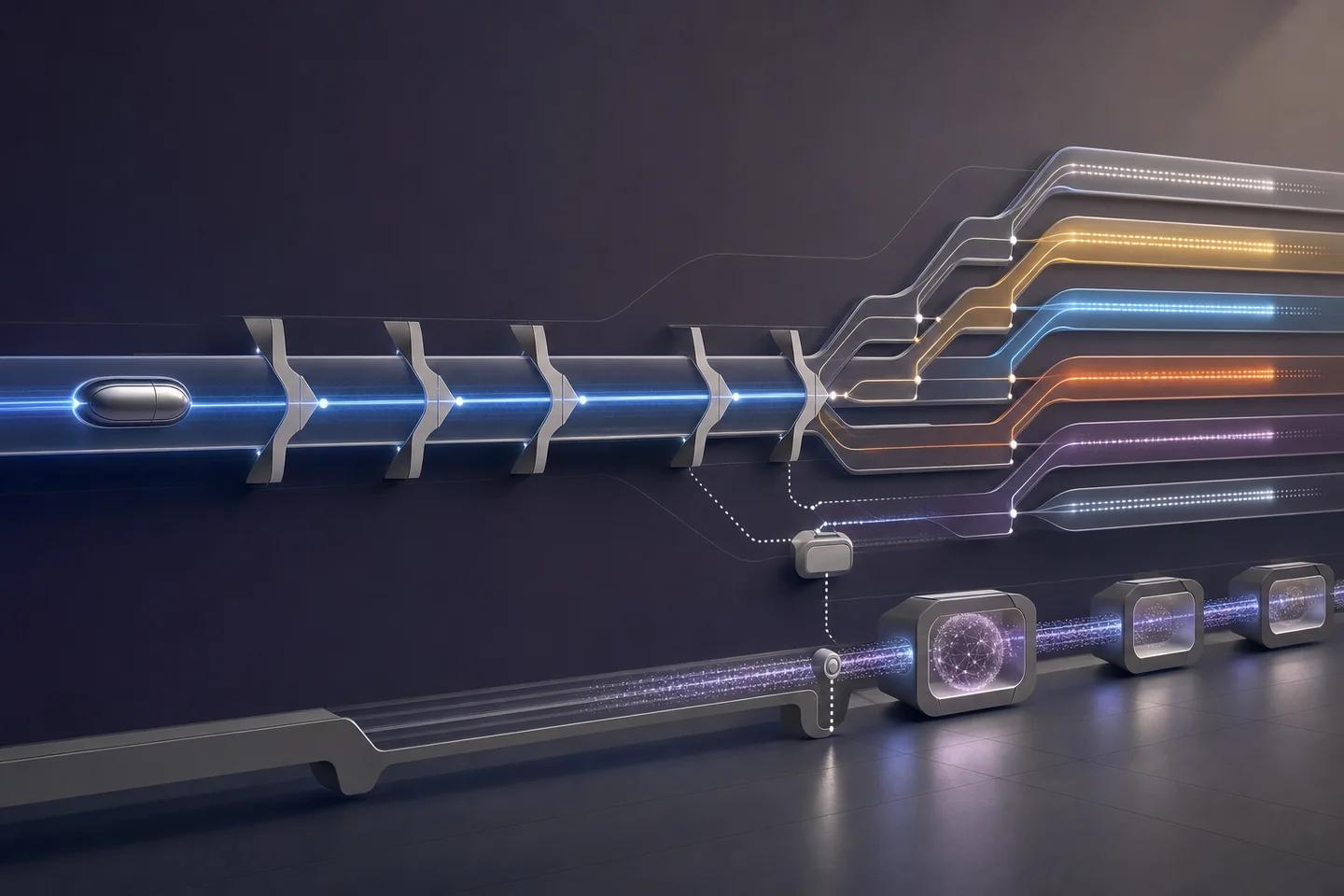
NeuroVerify screens the provisioning or recovery selfie in one API call and returns a unified risk score with evidence from six signals: Visual Safety Screening, Live Presence Verification, Face Manipulation Detection, AI Generative Model Analysis, AI Pixel-Level Manipulation and AI Content Compliance. Eligible image requests return in under 200 ms at p95 under defined test conditions, so a cardholder adding a card at a checkout is not left waiting.
Android, iOS and Flutter SDKs bring capture into the app, and backend SDKs in Python, TypeScript, Go and Java plus a REST API cover server-side calls. Integration is two lines. The model behind the detector, ARCAS 1B, is documented in a public arXiv paper reporting pooled accuracy of 99.99% on GenImage and 99.92% on WildFake. The issuer's tokenisation decision engine combines the score with device, account and card signals and decides whether to issue the token.
What Wallet Controls Cannot Catch
A cardholder who reads a one-time code to a caller posing as the bank, or approves a provisioning prompt because they were told to, defeats the strongest verification. Clear wording on provisioning prompts and SMS messages (stating that the bank will never ask for the code or ask them to approve a wallet for someone else) and an immediate alert when a token is created are the main defences.
Keep a provisioning record for every token: card, device, wallet, risk tier, verification method and result, any selfie score and model version, and transactions in the first days. When a cardholder disputes tap payments they did not make, that record shows whether provisioning was the point of failure.
Evidence boundary
Limitations
- Selfie step-up cannot stop a genuine cardholder who is socially engineered into completing provisioning for a fraudster.
- Issuers depend on the wallet and token service provider for some device signals; available data varies by wallet and network.
- NeuroVerify's performance on injected video should be tested on your own device fleet in a pilot; public still-image benchmarks do not measure injection.
- This page does not describe card network or wallet provider rules, which change and vary by programme.
Source record
Sources and references
- EMVCoEMV Payment TokenisationVerified October 19, 2026.
- National Institute of Standards and TechnologySP 800-63B-4, Authentication and Authenticator ManagementPublished July 31, 2025. Verified October 19, 2026.
- Federal RegisterProtecting Consumers From SIM-Swap and Port-Out Fraud (FCC 23-95)Published December 8, 2023. Verified October 19, 2026.
- Reserve Bank of IndiaMaster Directions on Cyber Resilience and Digital Payment Security Controls for non-bank Payment System OperatorsPublished July 30, 2024. Verified October 19, 2026.
- Financial Crimes Enforcement NetworkFinCEN Alert on Fraud Schemes Involving Deepfake Media Targeting Financial Institutions (FIN-2024-Alert004)Published November 13, 2024. Verified October 19, 2026.
- FBI Internet Crime Complaint CenterCriminals Use Generative Artificial Intelligence to Facilitate Financial Fraud (PSA I-120324)Published December 3, 2024. Verified October 19, 2026.
- arXivBenchmarking Neural Defend ARCAS 1B: A Foundational Multimodal Deepfake Detection ModelPublished September 21, 2026. Verified October 19, 2026.